Too Much Estrogen Symptoms in Women – Signs & How to Balance It
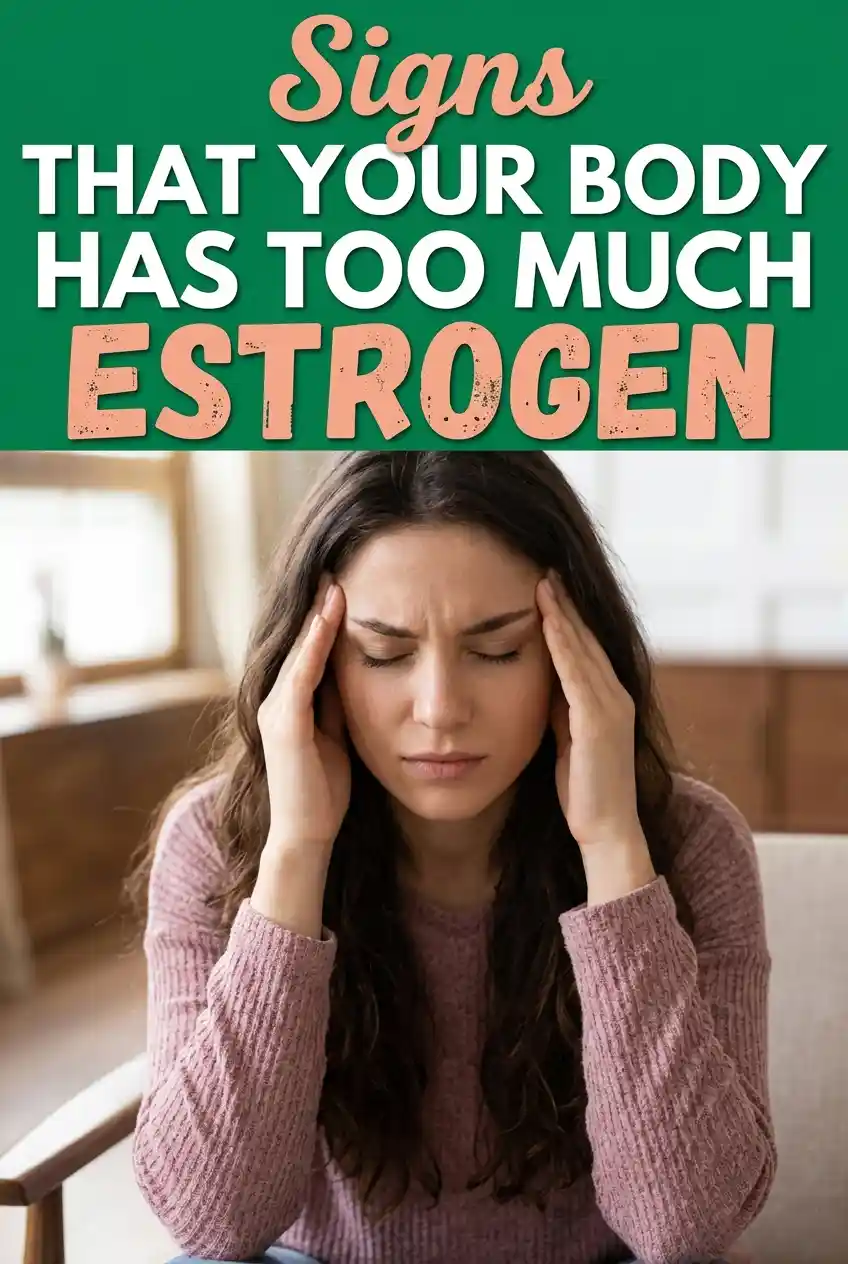
Too much estrogen symptoms in women are often overlooked because they mimic everyday stress or aging. Estrogen dominance – when estrogen is high relative to progesterone – can quietly affect your mood, weight, cycle, and energy levels for months before you connect the dots.
If something feels off and you cannot figure out why, your hormones may be the missing piece. Here is what too much estrogen actually looks like in women and what you can do about it.
What Causes Too Much Estrogen in Women?
Estrogen dominance does not always mean your body is producing too much estrogen. Sometimes it simply means progesterone is too low, throwing the balance off.
Common causes include chronic stress, excess body fat, xenoestrogens from plastics and pesticides, hormonal birth control, and poor liver function. Perimenopause is also a major trigger as progesterone drops faster than estrogen.
How Too Much Estrogen Affects Your Hormonal Balance
When estrogen rises unchecked, it competes with progesterone at the cellular level. This creates a cascade of symptoms that touch nearly every system in the body – from your brain to your gut to your reproductive organs.
Most Common Too Much Estrogen Symptoms in Women
These are the signs that show up most consistently in women dealing with estrogen dominance.
Physical Symptoms of Too Much Estrogen in Women
Weight Gain – Especially Around Hips and Waist
Estrogen promotes fat storage in the hips, thighs, and belly. If you are gaining weight without changing your diet or activity level, elevated estrogen may be a factor.
Bloating and Breast Tenderness
Swelling and tenderness in the breasts before your period is a classic sign. Bloating that worsens in the second half of your cycle is another common complaint.
Heavy or Irregular Periods
Too much estrogen thickens the uterine lining, which can lead to heavier periods, longer cycles, and more cramping. Spotting between periods is also worth noting.
Emotional Symptoms of Too Much Estrogen
Mood Swings, Anxiety, and Irritability
Estrogen directly influences serotonin and dopamine. When levels are too high, many women experience intense PMS-style mood shifts, anxiety spikes, or unexplained irritability throughout the month.
Brain Fog and Fatigue
Mental sluggishness, poor concentration, and constant tiredness are frequently reported with estrogen dominance. This happens partly because high estrogen disrupts sleep and depletes B vitamins needed for energy.
Other Signs of Estrogen Dominance to Watch For
Beyond the most recognized symptoms, estrogen dominance can show up in ways that are easy to miss or attribute to other causes.
Sleep Disruption and Low Libido
Progesterone is your calming, sleep-promoting hormone. When estrogen dominates, progesterone falls – and so does your ability to fall asleep and stay asleep. Low libido is another side effect, even though estrogen is often associated with female sexuality.
Hair Thinning and Recurring Headaches
Hormonal shifts can trigger hair loss along the crown and temples. Migraines or headaches that reliably get worse before your period are another strong signal that estrogen levels may be elevated.
How to Reduce Too Much Estrogen Naturally
Eat to Support Estrogen Metabolism
Cruciferous vegetables – broccoli, cauliflower, cabbage, and kale – contain DIM (diindolylmethane), a compound that helps the liver break down and remove excess estrogen. Aim for one serving daily.
High-fiber foods help bind estrogen in the gut and carry it out of the body before it can be reabsorbed. Reduce alcohol and processed sugar, both of which burden the liver and raise estrogen.
Lower Your Xenoestrogen Exposure
Swap plastic food containers for glass or stainless steel. Choose organic produce for the Dirty Dozen. Opt for fragrance-free and paraben-free personal care products.
Support Your Liver
Your liver filters and deactivates estrogen. Staying well hydrated, limiting alcohol, and adding liver-supportive foods like dandelion greens, beets, and lemon water can all help your body clear estrogen more efficiently.
When to See a Doctor About Estrogen Dominance
If you recognize five or more of these too much estrogen symptoms in women, a hormone panel is a smart next step. Ask your doctor for an estradiol and progesterone test, ideally on day 19-21 of your cycle.