Chin Acne Causes and Treatment: Clear Skin Tips
Chin acne causes and treatment are something many people search for – because breakouts on the chin are one of the most stubborn and recurring skin problems out there. Unlike forehead or nose pimples, chin acne often has a hormonal root cause, which makes it harder to treat with basic skincare alone.
Whether you get the occasional pimple or deal with persistent cystic breakouts along your jawline, understanding what is driving them is the first step to clearer skin.
Chin Acne Causes: What Triggers Breakouts
Chin acne does not appear randomly. It is usually tied to specific internal or external triggers that cause excess oil production, clogged pores, or inflammation. Knowing the root cause is what makes chin acne causes and treatment work together effectively.
Hormonal Fluctuations
The most common cause of chin acne in women is hormonal imbalance. The chin and jawline area is directly linked to androgen activity – hormones that stimulate the oil glands. Breakouts that follow your menstrual cycle, worsen during ovulation, or flare up in perimenopause are classic signs of hormonal chin acne.
This is also why chin acne is so common in women with PCOS or estrogen dominance – both conditions disrupt androgen levels and trigger excess sebum production.
Diet and Gut Health
High-glycemic foods – white bread, sugar, dairy, and processed snacks – spike insulin levels, which in turn raises androgens and increases oil production. A diet heavy in these foods can directly contribute to chin breakouts even if your skincare routine is solid.
Poor gut health also plays a role. An imbalanced gut microbiome affects how the body processes hormones and inflammation, both of which show up on the skin.
Stress and Sleep Deprivation
Cortisol – the stress hormone – triggers oil production and slows skin healing. Chronic stress is one of the most overlooked causes of chin breakouts, especially in adults who expected to leave acne behind in their teens.
Poor sleep compounds this by reducing the skin’s ability to repair overnight and keeping cortisol elevated throughout the day.
Types of Chin Acne and What They Mean
Hormonal Cystic Acne
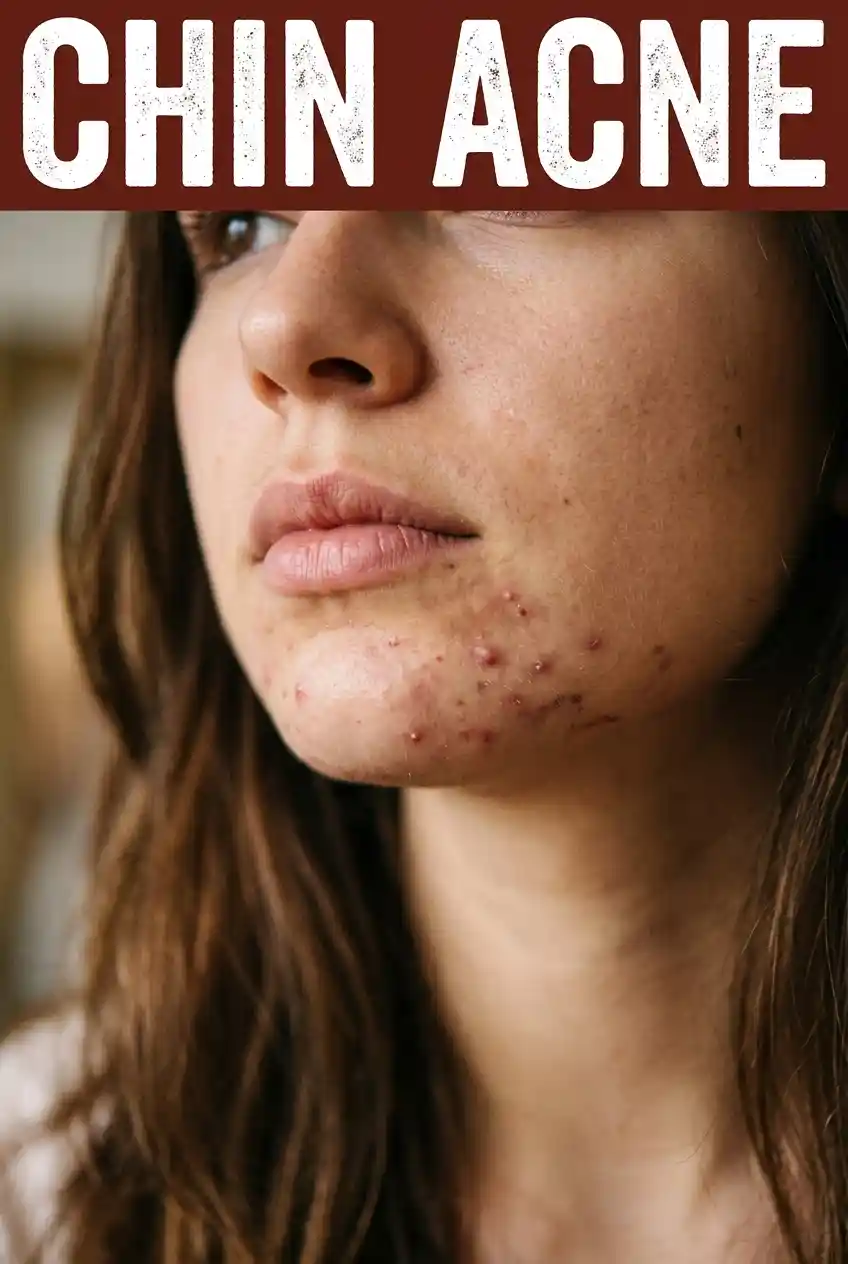
Deep, painful lumps under the skin that do not come to a head are usually cystic and hormonal. They tend to appear in the same spots repeatedly and are most common in the week before menstruation.
Whiteheads and Blackheads
These are caused by clogged pores from excess sebum and dead skin cells. They are less painful but can spread across a large area of the chin and lower face if left untreated.
Fungal Acne
Small, uniform bumps that do not respond to typical acne products may be fungal acne – a yeast overgrowth on the skin. It is often triggered by sweating, occlusive skincare products, or antibiotic use.
Chin Acne Causes and Treatment Options That Work
The right chin acne causes and treatment approach depends on what is actually driving your breakouts. A combination of topical care, internal support, and lifestyle changes usually delivers the best long-term results.
Topical Chin Acne Treatment Options
- Salicylic acid (BHA) – unclogs pores and reduces inflammation
- Benzoyl peroxide – kills acne-causing bacteria on the skin surface
- Retinoids – speed up cell turnover and prevent clogged pores
- Niacinamide – calms redness and regulates sebum production
Apply targeted treatments only to the chin and jawline. Avoid layering too many actives at once – this damages the skin barrier and can make breakouts worse.
Chin Acne Causes and Treatment
If your chin acne is clearly hormonal, topical products alone will not fully resolve it. Speak with a dermatologist about options like spearmint tea (shown to reduce androgens naturally), zinc supplementation, or prescription treatments like spironolactone for persistent cases.
Skincare Routine Tips to Prevent Chin Acne
Your daily habits can either trigger or prevent chin breakouts. These small adjustments make a real difference over time.
Cleanse Without Over-Stripping
Use a gentle, non-comedogenic cleanser twice daily. Harsh scrubs and over-washing damage the skin barrier, which causes more oil production as a response – making chin acne worse, not better.
Keep Hands and Phones Away From Your Chin
Resting your chin in your hand, pressing a phone against your jaw, or sleeping on a pillowcase you have not changed recently all transfer bacteria and oil directly to the skin.
Change Pillowcases Frequently
Swap your pillowcase at least twice a week. Silk or satin pillowcases are gentler on skin and less absorbent than cotton, which means less oil and bacteria buildup overnight.
When to See a Dermatologist
If your chin acne is cystic, leaves scars, or does not respond to over-the-counter treatments after 8 to 12 weeks, it is time to consult a dermatologist. Prescription retinoids, antibiotics, or hormone-regulating medications can make a significant difference when standard approaches fall short.
Do not wait too long – cystic acne that goes untreated is more likely to leave permanent scarring that is harder to address later.