Ingrown Toenail: Home Treatment, Pain Relief and Prevention
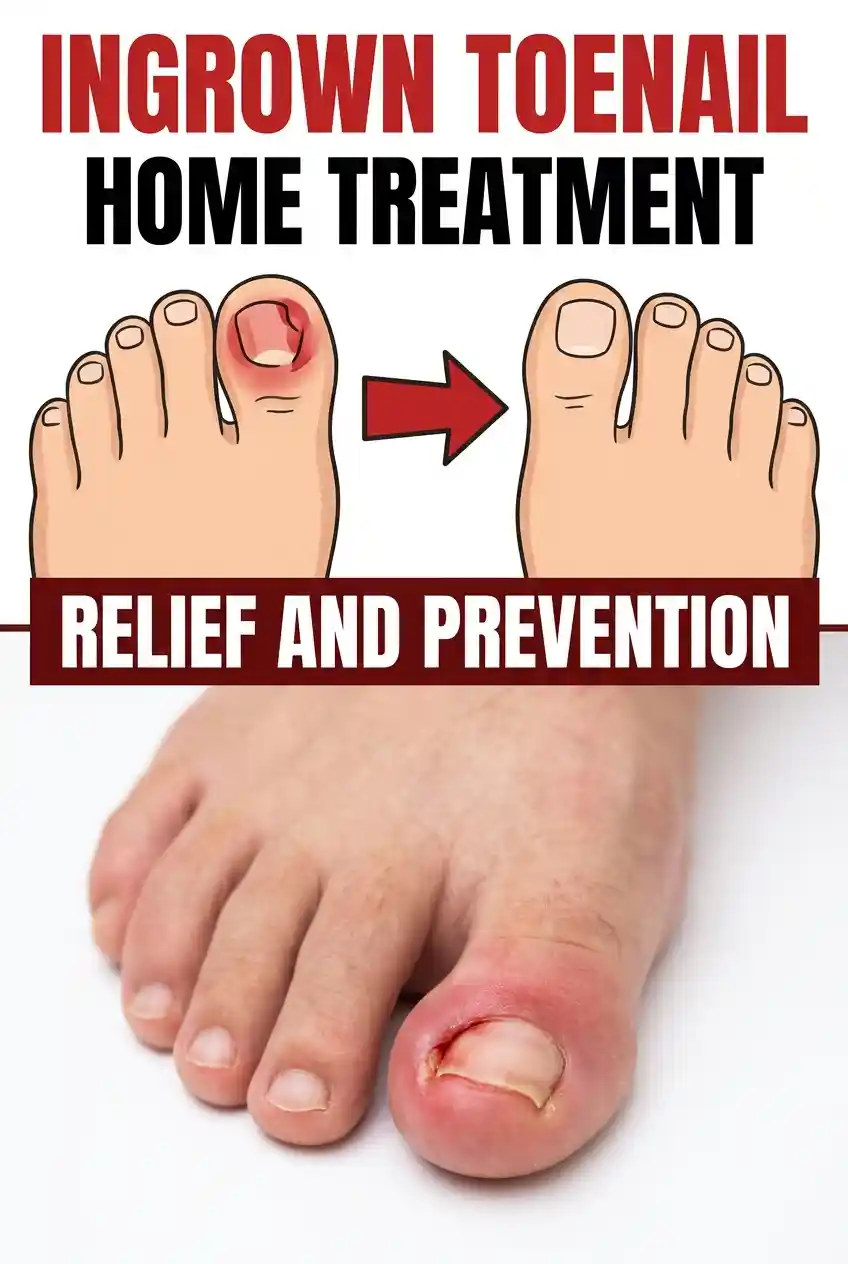
An ingrown toenail occurs when the nail edge grows into the surrounding skin, causing pain, redness, and swelling that can make every step uncomfortable. Furthermore, most mild cases respond well to consistent home treatment within one to two weeks. The key is starting early – before infection sets in.
Ingrown toenail causes and signs
The most common causes are cutting nails too short or with curved edges, wearing tight shoes, toe injuries, and naturally curved nail shapes. Furthermore, the big toe is most commonly affected.
Signs to watch for: pain and tenderness along one or both sides of the nail, redness and swelling around the nail edge, and skin that appears to be growing over the nail corner.
When to see a doctor immediately
Seek medical attention if pus or discharge is present, the skin is warm and red spreading beyond the nail, you have a fever, or if you have diabetes or poor circulation. Moreover, do not attempt home treatment on infected ingrown toenails.
Step-by-step ingrown toenail home treatment
Repeat this routine twice daily until the nail grows clear of the skin.
Ingrown toenail soak and lift method
Step 1 – Warm soak. Soak the affected foot in warm water for 15-20 minutes. Consequently, this softens the nail and surrounding skin, reduces pain, and prepares the tissue for the next step.
Step 2 – Cotton or dental floss lift. After soaking, gently lift the ingrown nail edge with clean tweezers and slide a small piece of fresh cotton or waxed dental floss underneath. Furthermore, this elevates the nail slightly and encourages it to grow above the skin rather than into it.
Step 3 – Apply antiseptic. Apply a small amount of tea tree oil or antiseptic cream to the area. Additionally, petroleum jelly applied over the top creates a protective barrier and reduces friction from socks and shoes.
Step 4 – Bandage loosely. Wrap the toe loosely with a clean bandage. Replace the cotton or floss and repeat the entire routine twice daily.
Pro tip: Add Epsom salt to the warm soak water. Consequently, the magnesium sulfate draws out inflammation, reduces pain more effectively than plain water, and has mild antibacterial properties that reduce infection risk.
Natural remedies that help ingrown toenail heal
Tea tree oil and apple cider vinegar
Tea tree oil has proven antibacterial and antifungal properties that prevent infection in the vulnerable nail bed. Apply two drops diluted in a carrier oil after each soak. Furthermore, apple cider vinegar applied with a cotton ball creates an acidic environment that inhibits bacterial growth and reduces inflammation.
How to prevent ingrown toenails from returning
Nail care and footwear habits
Cut nails straight across. Never cut nails in a curved shape or too short. Consequently, the nail edge should be level with the tip of the toe and cut straight across with no rounded corners.
Wear properly fitting shoes. Tight shoes compress the toes and push the nail into the skin. Moreover, choose footwear with enough room in the toe box for toes to sit naturally without pressure.
Keep feet clean and dry. Additionally, moisture softens the skin and makes it easier for nails to grow inward. Change socks daily and dry feet thoroughly after showering.
How long does it take to heal
Mild ingrown toenails treated consistently at home improve within one to two weeks. The nail needs to grow clear of the skin edge, which takes time. Furthermore, if there is no improvement after two weeks of twice-daily treatment, see a podiatrist for professional assessment.
An ingrown toenail is painful but very manageable at home when caught early. Start with a twice-daily warm Epsom salt soak, lift the nail edge with clean cotton, and apply tea tree oil after each treatment. Furthermore, wear open shoes where possible and cut nails straight across from now on to prevent recurrence.