Swollen Feet and Ankles: 8 Causes and Natural Remedies That Actually Work
Swollen feet and ankles are one of the most common physical complaints – affecting people of all ages and usually caused by something simple and treatable at home. Whether your swelling appears after a long day on your feet, a flight, or has been building gradually over time, understanding the cause is the first step to finding real relief. Here are the eight most common reasons your feet swell and the best natural remedies to reduce it fast.
What causes swollen feet and ankles
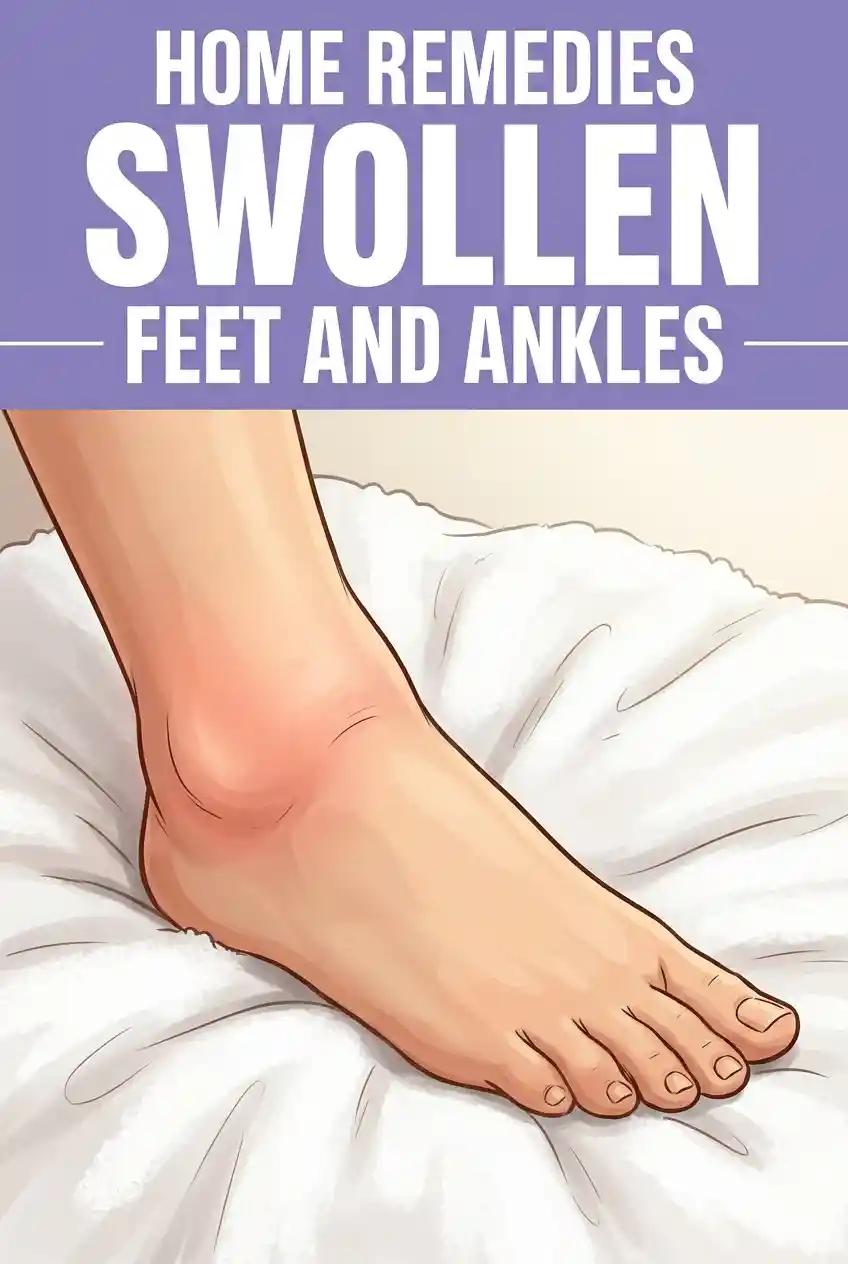
Swelling in the feet and ankles – known medically as edema – occurs when fluid accumulates in the tissues. This happens for many reasons, ranging from completely harmless lifestyle factors to conditions that require medical attention. Identifying your specific cause makes treatment far more targeted and effective.
Swollen feet causes – the most common reasons
1. Prolonged standing or sitting. When you stand or sit for long periods, gravity pulls fluid into the lower legs and feet. This is the most common cause of temporary swelling and resolves quickly with movement and elevation.
2. High salt intake. Excess sodium causes the body to retain water, which accumulates in the lowest parts of the body – the feet and ankles. Reducing salt intake often produces visible improvement within 24 to 48 hours.
3. Pregnancy. Swollen feet and ankles are extremely common during pregnancy due to increased blood volume and pressure on the veins from the growing uterus. Usually harmless, but sudden severe swelling in pregnancy requires immediate medical attention as it can indicate preeclampsia.
4. Hot weather. Heat causes blood vessels to expand and fluid to leak into surrounding tissues. Swelling that appears in summer and resolves in cooler conditions is typically heat-related and harmless.
More causes of swollen feet
1. Medication side effects. Calcium channel blockers, steroids, antidepressants, and some blood pressure medications commonly cause fluid retention and foot swelling. If swelling started when you began a new medication, speak to your doctor about alternatives.
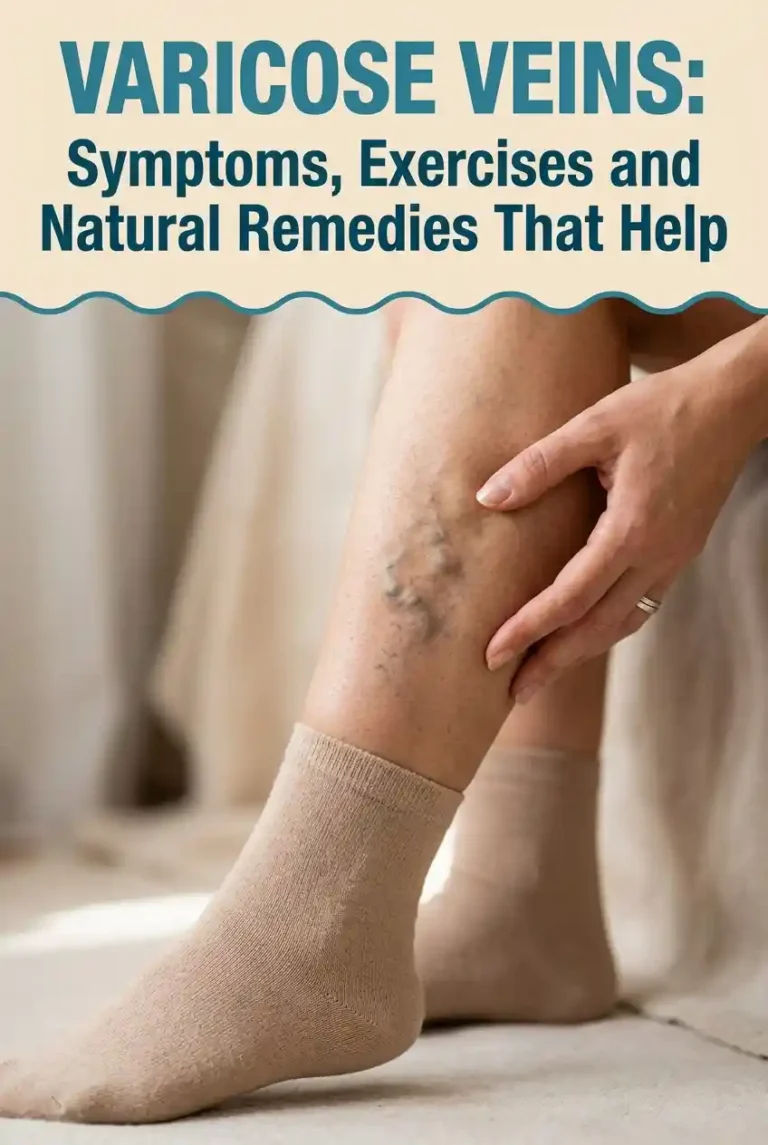
2. Venous insufficiency. When the veins in the legs struggle to return blood to the heart efficiently, fluid accumulates in the lower legs. This is a common cause of chronic swelling in older adults and people who stand for long hours professionally.
3. Lymphedema. Damage or blockage to the lymphatic system causes fluid to build up in the tissues. This type of swelling is typically firmer and does not improve with elevation alone – it requires specific lymphatic drainage techniques.
4. Kidney, heart, or liver conditions. Persistent swelling in both feet that does not improve with home treatment can indicate an underlying organ condition affecting fluid regulation. This type requires medical evaluation.
When to see a doctor for swollen feet
Seek medical attention if swelling is sudden and severe, affects only one leg, is accompanied by pain, redness, or warmth in the calf (possible blood clot), comes with shortness of breath or chest pain, or does not improve after several days of home treatment.
Best natural remedies for swollen feet and ankles
These remedies address the most common causes of swelling and can be applied at home without any special equipment.
Swollen feet remedy – elevation and movement
Elevating your feet above heart level for 20-30 minutes allows gravity to drain the accumulated fluid back into circulation. Lie on your back and prop your legs on two or three pillows. Do this two to three times throughout the day for significant relief. Equally important is regular movement – even a 10-minute walk every hour prevents fluid from pooling in the lower legs during prolonged sitting or standing.
Cold and warm water contrast soak
Alternating between cold and warm water stimulates circulation and encourages fluid to drain from the tissues. Fill two basins – one with cold water and one with warm water. Soak feet in warm water for three to four minutes, then switch to cold water for one minute. Repeat the cycle four to five times, ending with cold water. This contrast therapy is particularly effective for swelling caused by prolonged standing or heat.
Epsom salt soak
Add two cups of Epsom salt to a basin of cool water and soak swollen feet for 20 minutes. The magnesium sulfate draws excess fluid from the tissues through osmosis while simultaneously relaxing tight muscles and reducing inflammation. This is one of the most immediately soothing remedies available for tired, swollen feet at the end of a long day.
Quick tip: Reduce your salt intake immediately. Avoid processed foods, canned soups, fast food, and salty snacks for 48 hours and drink plenty of water. Increasing water intake actually helps flush excess sodium and reduces fluid retention faster than cutting water.
Leg and foot massage
Gentle massage stimulates lymphatic drainage and encourages fluid to move out of the swollen tissues. Using firm but gentle upward strokes from the feet toward the knees, massage for five to ten minutes. Apply coconut oil or any carrier oil to reduce friction. Focus on the area around the ankles and calves where fluid most commonly accumulates. Do this daily, ideally after an Epsom salt soak when the tissues are warm and relaxed.
Compression socks
Compression socks apply graduated pressure to the lower legs – strongest at the ankle and gradually reducing toward the knee – which physically prevents fluid from accumulating and helps veins push blood back toward the heart more efficiently. They are particularly effective for people who stand or sit for long hours professionally, frequent flyers, and anyone with venous insufficiency. Put them on first thing in the morning before swelling has a chance to develop.
Foods and drinks that reduce swollen feet naturally
What you eat and drink has a direct impact on fluid retention. These dietary changes produce measurable improvements in swelling within days.
Natural diuretic foods
Certain foods naturally help the body flush excess fluid. Cucumber, watermelon, asparagus, parsley, ginger, and lemon are all mild natural diuretics that increase urine output and reduce water retention. Add parsley to meals, drink lemon water throughout the day, and eat water-rich fruits and vegetables regularly. These foods are particularly helpful for swelling caused by high sodium intake or mild fluid retention.
Dandelion and ginger tea
Dandelion tea is one of the most effective natural diuretics available – it increases urine output without depleting potassium like pharmaceutical diuretics do. Ginger reduces inflammation and improves circulation. Drink one to two cups of dandelion or ginger tea daily when dealing with fluid retention. Both are widely available as dried tea bags and are safe for most people.
Lifestyle changes to prevent swollen feet long term
These daily habits address the root causes and prevent swelling from becoming a recurring problem.
Move more throughout the day
The calf muscles act as a secondary pump for venous blood return – when they contract during walking, they squeeze blood upward against gravity. Sitting or standing without moving for extended periods disables this pump and allows fluid to pool. Set a reminder to walk for at least five minutes every hour. Simple calf raises – rising onto your toes and lowering slowly – can be done even while standing at a desk and significantly improve circulation.
Wear supportive footwear
Tight shoes restrict circulation and worsen swelling. Wear well-fitted, supportive shoes with enough room in the toe box for feet to expand slightly throughout the day. Avoid high heels for extended periods – they restrict calf muscle movement and significantly worsen venous return. If you are prone to swelling, choose shoes with adjustable closures so you can loosen them as the day progresses.
Best sleeping position to reduce overnight swelling
Elevate the foot of your bed slightly by placing a pillow or folded blanket under the mattress. Even a small elevation of 10-15cm allows gravity to assist fluid drainage throughout the night, so you wake up with noticeably less swelling than if you slept completely flat.
Swollen feet and ankles are uncomfortable but usually very manageable at home. Start with elevation, an Epsom salt soak, and reducing your salt intake today – these three changes together produce significant relief for most people within 24 to 48 hours. Add compression socks for daily prevention and build movement breaks into your routine. If swelling is persistent, severe, or accompanied by other symptoms, always consult your doctor to rule out an underlying condition.