Perimenopause Symptoms: What to Expect and How to Manage Them Naturally
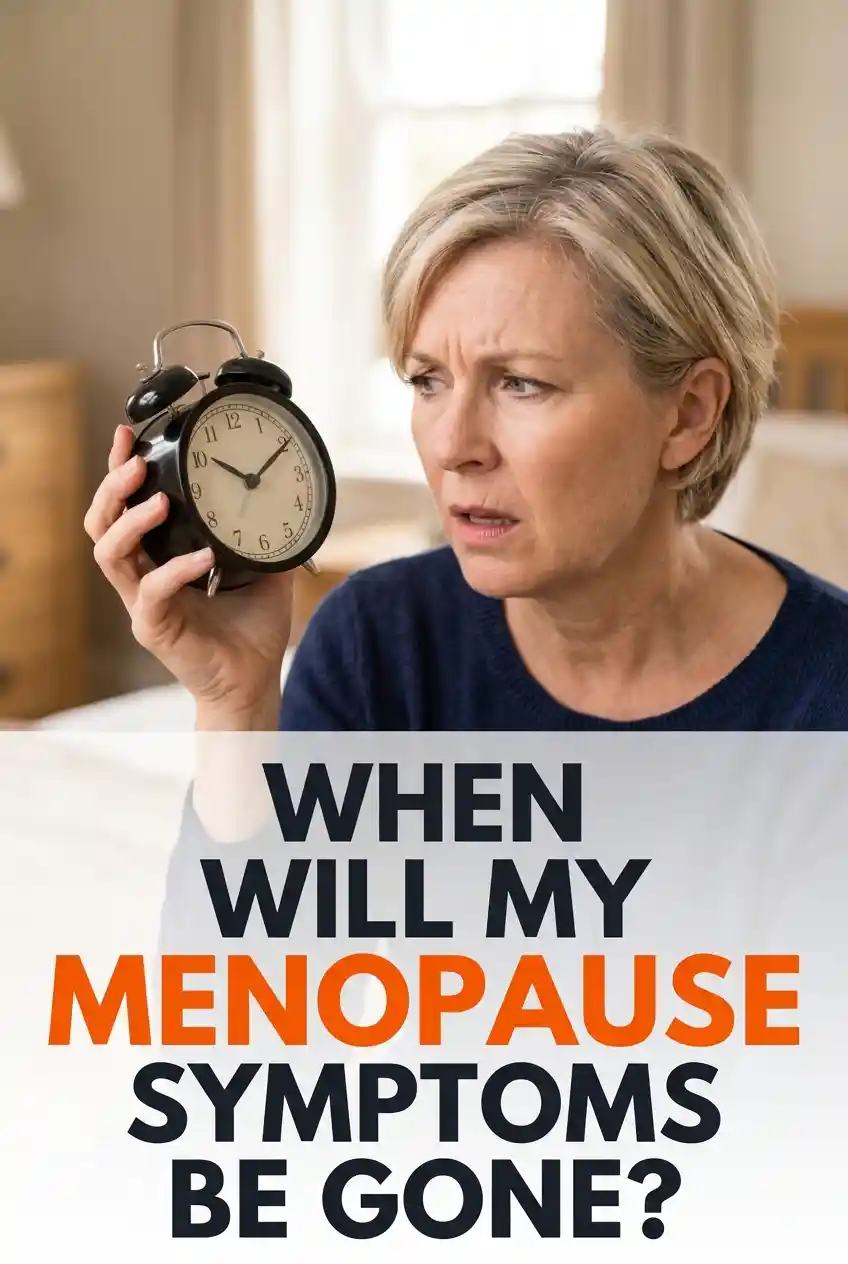
Perimenopause symptoms can begin years before the final menstrual period – often catching women completely off guard. Furthermore, many women do not recognize what is happening because the symptoms overlap with stress, thyroid issues, and normal aging. Understanding what perimenopause actually involves makes it far easier to manage and far less frightening.
What is perimenopause and when does it start
Perimenopause is the transition phase leading up to menopause – the point when periods stop for 12 consecutive months. It typically begins in the mid-to-late 40s, though it can start as early as the mid-30s in some women.
During this time, estrogen and progesterone levels fluctuate unpredictably rather than declining steadily. Consequently, this hormonal volatility – not just the decline – is responsible for most of the symptoms women experience.
Perimenopause symptoms – how long do they last
The perimenopause phase lasts on average four to eight years. However, some women experience it for just a few months while others go through it for over a decade. Symptoms vary widely in intensity – some women sail through with minimal disruption, while others find it significantly affects daily life.
Difference between perimenopause and menopause
Perimenopause is the transition – periods become irregular but have not stopped. Menopause is confirmed after 12 consecutive months without a period. Furthermore, postmenopause refers to all the years after that point.
Most common perimenopause symptoms
Symptoms vary from woman to woman. Nevertheless, these are the most frequently reported experiences during the perimenopause transition.
Physical perimenopause symptoms
Hot flashes. Sudden waves of heat – often intense – that spread through the upper body and face. They can last 30 seconds to several minutes and are frequently accompanied by sweating and a rapid heartbeat.
Irregular periods. Cycles become shorter, longer, heavier, lighter, or unpredictable. This is typically the first noticeable sign of perimenopause.
Sleep disruption. Night sweats and hormonal fluctuations interfere with deep sleep. Consequently, many women experience fatigue and brain fog as secondary effects.
Vaginal dryness. Declining estrogen reduces natural lubrication, causing discomfort during sex and increased susceptibility to urinary tract infections.
Weight changes. Hormonal shifts cause fat to redistribute toward the abdomen. Moreover, a slowing metabolism makes weight management more challenging than before.
Joint pain. Estrogen has anti-inflammatory properties – as levels drop, joint aches and stiffness become more common. Additionally, muscle mass declines more rapidly during this period.
Emotional and cognitive symptoms
Mood changes. Irritability, anxiety, and low mood are common as estrogen influences serotonin and dopamine production. Many women feel unlike themselves during this phase.
Brain fog. Difficulty concentrating, forgetfulness, and mental fatigue are frequently reported. Furthermore, these symptoms often improve significantly after the transition is complete.
Reduced libido. Lower testosterone and estrogen levels reduce sex drive. In addition, vaginal discomfort and fatigue contribute to this change.
Important: Track your symptoms in a diary for two to three months before seeing your doctor. Moreover, noting when symptoms occur, their severity, and any patterns helps your doctor give a much more accurate assessment and treatment recommendation.
Natural ways to manage perimenopause symptoms
Lifestyle changes are often the most effective first step for managing symptoms naturally.
Diet and exercise
Phytoestrogen foods. Flaxseeds, soy, chickpeas, and lentils contain plant estrogens that mildly compensate for declining levels. Furthermore, regular intake reduces hot flash frequency for many women.
Strength training. Two to three sessions per week prevents muscle loss, supports bone density, improves metabolism, and significantly reduces mood symptoms.
Reduce alcohol and caffeine. Both are well-known hot flash triggers. Moreover, alcohol disrupts sleep and worsens mood symptoms significantly during the perimenopause transition.
Magnesium before bed. Magnesium glycinate (200-400mg) improves sleep quality, reduces anxiety, and eases muscle tension. Consequently, it is one of the most helpful supplements during perimenopause.
When to see a doctor about perimenopause symptoms
While perimenopause is a natural process, some situations require medical attention.
Signs that need medical assessment
Very heavy bleeding. Soaking a pad or tampon hourly for several hours needs prompt evaluation.
Bleeding after sex. This should always be assessed by a doctor.
Severe mood changes. If anxiety or depression is significantly affecting daily functioning, treatment options including HRT, therapy, or antidepressants may help.
Symptoms starting before 40. Early perimenopause may indicate primary ovarian insufficiency and requires specific medical management.
HRT – is it right for you
Hormone Replacement Therapy is the most effective medical treatment for perimenopause symptoms. Furthermore, modern HRT has a much better safety profile than older versions. Discuss the benefits and risks with your doctor based on your personal health history.
Perimenopause symptoms are real, valid, and very manageable with the right approach. Furthermore, you do not have to simply endure them. Start with tracking your symptoms, adjusting your diet, and adding strength training. Moreover, speak to your doctor if symptoms are significantly affecting your quality of life – effective treatments exist and you deserve to feel well throughout this transition.