Leg Cramps: Causes, Instant Relief and Exercises That Actually Work
Leg cramps are one of the most painful and sudden experiences – a muscle seizing up without warning, often at the worst possible moment. Whether they strike at night, during pregnancy, or around your period, the right remedies and exercises provide fast relief and prevent them from coming back.
What causes leg cramps
Most leg cramps are caused by muscle fatigue, dehydration, or mineral deficiencies – particularly magnesium, potassium, and calcium. When these electrolytes drop too low, muscles become hyperexcitable and contract involuntarily.
Other common triggers include prolonged sitting or standing, poor circulation, tight calves from insufficient stretching, and certain medications like diuretics and statins.
Leg cramps at night – why they happen
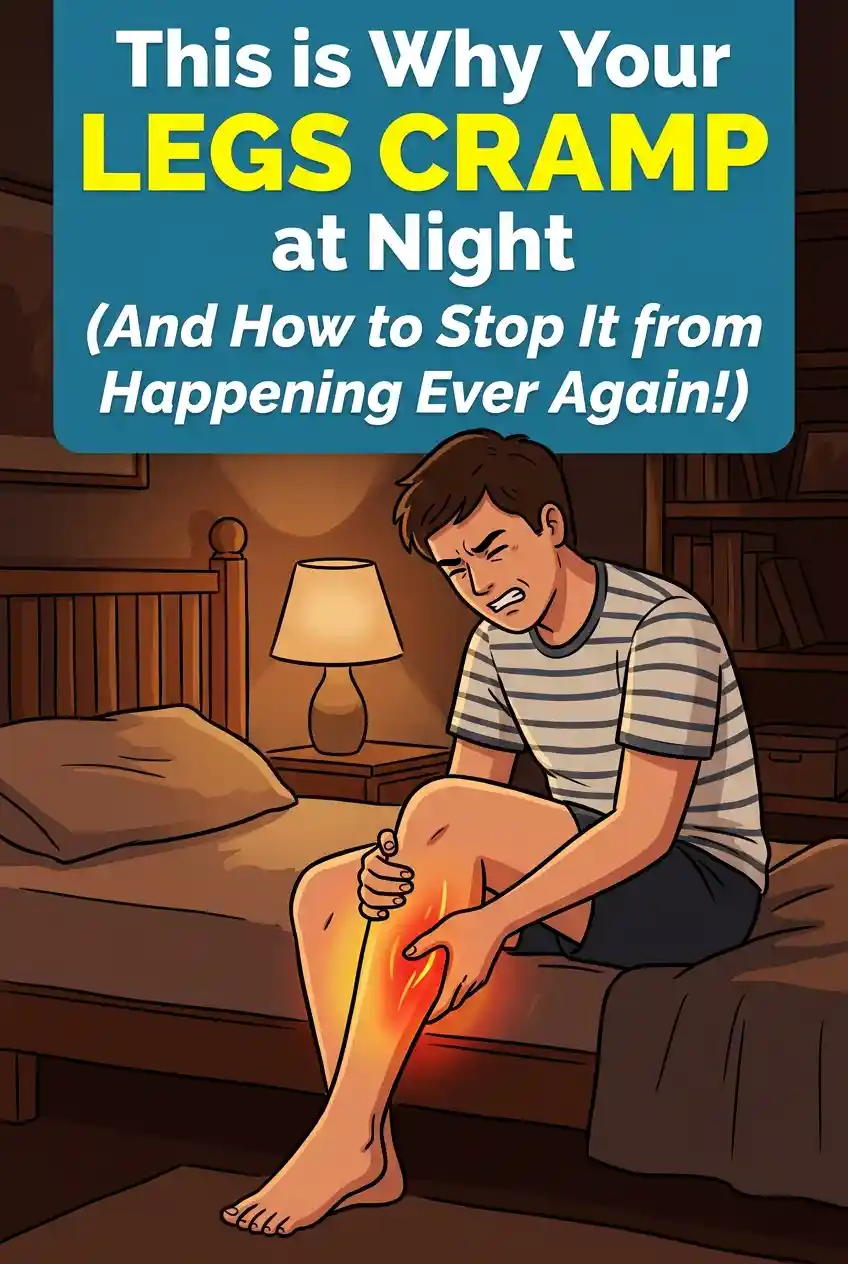
Nighttime leg cramps are the most common type. During sleep, muscles relax and circulation slows. Combined with dehydration from the day and low mineral levels, the calf muscle is highly prone to sudden spasms. They wake most people from deep sleep and can cause soreness that lasts the following day.
When to see a doctor
See a doctor if cramps are severe and frequent, occur during exercise rather than at rest, are accompanied by swelling or skin changes, or do not improve with home treatment. These may indicate a circulation or nerve issue.
Instant leg cramps relief – what to do right now
When a cramp strikes, these three steps stop it within seconds.
Leg cramps remedies for immediate relief
Stretch the muscle immediately. For a calf cramp, flex your foot hard toward your shin and hold. This counteracts the contraction and releases the spasm within 20-30 seconds. Stand up if possible – bearing weight helps.
Massage firmly. Using both thumbs, apply firm circular pressure to the cramped muscle. Massage improves blood flow to the area and relaxes the contracted fibers quickly.
Apply heat. A warm towel or heating pad on the affected muscle relaxes the spasm and reduces soreness. For recurring cramps, a warm bath before bed prevents nighttime episodes significantly.
Quick fix: Drink a glass of water with a pinch of salt and a small amount of pickle juice immediately. The electrolytes and acidity of pickle juice are clinically shown to stop muscle cramps within 85 seconds.
Leg cramps in pregnancy and during period
Hormonal changes increase the demand for magnesium and calcium. At the same time, the growing uterus compresses blood vessels and nerves in the legs. Both factors make leg cramps significantly more frequent.
Safe relief during pregnancy
Stretch calves before bed. Stand facing a wall, place hands on the wall, and push one heel to the floor while bending the other knee. Hold 30 seconds each side.
Magnesium-rich foods. Spinach, bananas, almonds, and avocado all help replenish the magnesium depleted by pregnancy hormones.
Avoid pointing toes in bed. This position shortens the calf muscle and directly triggers nighttime cramps. Sleep with feet neutral or slightly flexed.
Leg cramps exercises to prevent them
These simple exercises strengthen and lengthen the muscles most prone to cramping.
Calf stretch before bed
Sit on the floor with legs straight. Loop a towel around the ball of your foot and gently pull toward you while keeping the knee straight. Hold 30 seconds per leg. Do this every night before sleep – it is the single most effective prevention habit for nighttime leg cramps.
Calf raises for strength
Stand with feet hip-width apart. Rise slowly onto your toes, hold 2 seconds, then lower. Do 15-20 repetitions twice daily. Stronger calf muscles are less prone to sudden spasms and fatigue-related cramping.
Minerals that prevent leg cramps
Magnesium (400mg before bed), potassium (bananas, sweet potatoes), and calcium (dairy, leafy greens) are the three most important minerals for preventing leg cramps. A magnesium supplement taken nightly reduces cramp frequency dramatically for most people within two weeks.
Leg cramps are painful but very manageable. Stretch your calves every night, stay hydrated, take a magnesium supplement before bed, and keep a glass of water on your nightstand. Most people experience a dramatic reduction in frequency within one to two weeks of consistent effort.