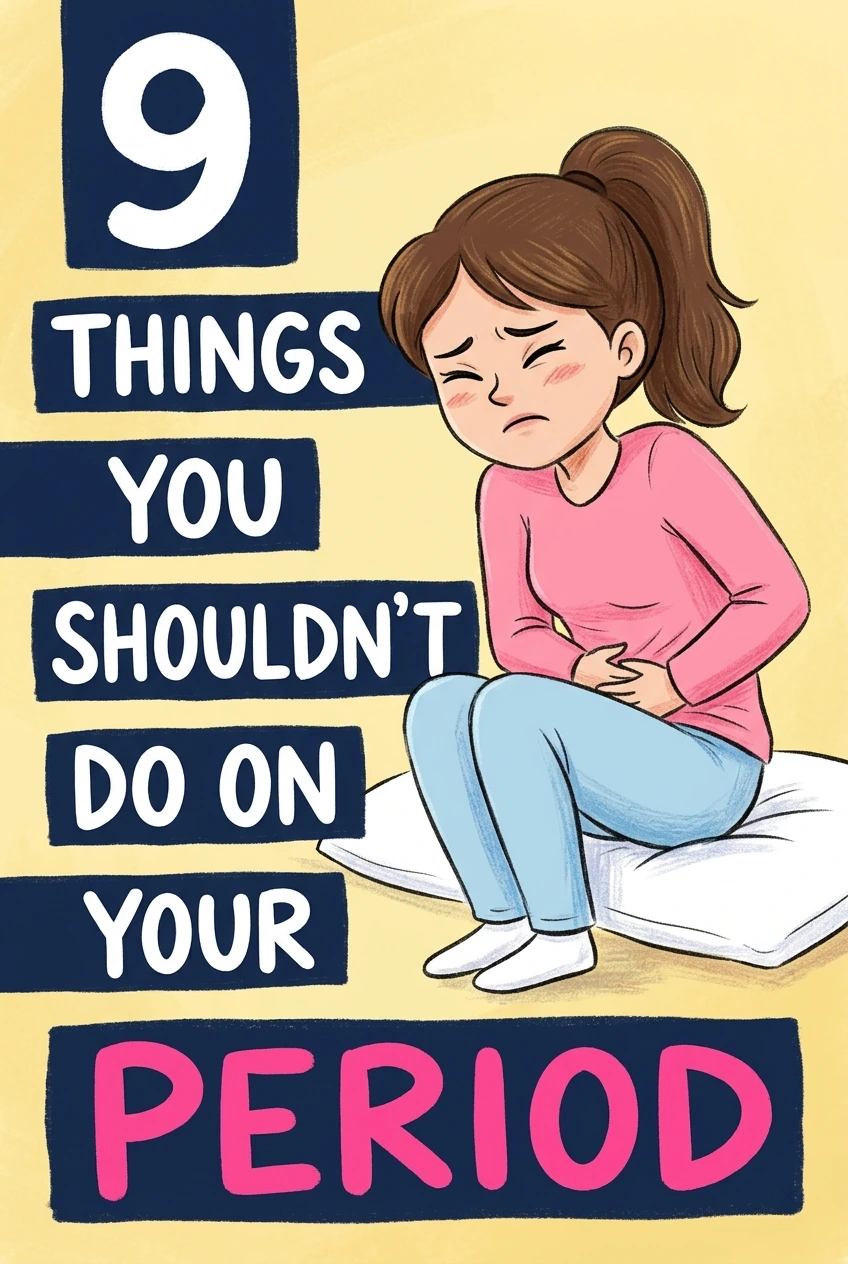
Things to Avoid During Your Period: 9 Habits That Make It Worse
There are some things to avoid during your period that most women do not even realize are making their symptoms worse. You might be eating the wrong foods, skipping sleep, or pushing through intense workouts – all thinking you are doing fine – while your body is quietly paying the price for it.
The truth is that a few simple changes to your routine during those days can make a huge difference. Less bloating, fewer cramps, more energy, and a much better mood. This guide covers nine of the biggest period mistakes women make and exactly what to do instead.
Why Knowing What to Avoid During Your Period Actually Matters
During your period, your body is going through significant hormonal shifts. Estrogen and progesterone drop sharply, triggering the uterine lining to shed. Prostaglandins – hormone-like chemicals – are released to help the uterus contract, and these are directly responsible for cramps. Your iron levels dip from blood loss, your digestive system slows, and inflammation tends to run higher than usual.
All of this means that your body is more sensitive to certain foods, habits, and activities during this time. Things that would not bother you the rest of the month can hit harder when you are on your period. The good news is that once you know what makes things worse, you have real power to make your period significantly more manageable.
How Period Habits Affect Your Symptoms Each Month
Most women assume their period symptoms are just fixed – that they are simply going to feel terrible for a few days and there is nothing to do about it. But research consistently shows that lifestyle factors play a huge role in symptom severity. Women who make targeted dietary and lifestyle changes during their cycle regularly report meaningful reductions in cramp intensity, bloating, mood swings, and fatigue.
You do not need to overhaul your entire life. Just being more mindful about a handful of specific habits during your period days can make a noticeable difference – often from the very first cycle you try it.
9 Things to Avoid During Your Period
Here are the most important things to avoid during your period if you want to reduce symptoms and feel more like yourself during that time of the month.
1. Salty Foods Are One of the Top Things to Avoid During Period Bloating
If bloating is your biggest period complaint – and for most women it is – then high-sodium foods are the number one thing to cut back on. Salt causes your body to retain water, and during your period, your body is already prone to fluid retention because of hormonal fluctuations. Combining the two is a recipe for that uncomfortable, tight, swollen feeling around your belly.
Processed foods, fast food, canned soups, salty snacks, and pre-packaged meals are the worst offenders. Try cooking at home during your period days and seasoning with herbs and spices instead of salt. You will often notice a significant reduction in bloating within just a day or two of making this change.
2. Caffeine – A Common Period Mistake That Worsens Cramps
This one is hard to hear, especially when you are exhausted and just want your morning coffee. But caffeine is genuinely one of the worst things for period symptoms. It constricts blood vessels, which can worsen cramps by reducing blood flow to the uterus. It also increases cortisol levels, which amplifies anxiety and irritability that are already heightened during your period.
Caffeine is also a diuretic that increases dehydration – and dehydration makes cramps, headaches, and fatigue worse. If giving up coffee completely feels too drastic, try cutting it to one cup per day and switching to herbal tea like ginger or chamomile for the rest. Both have genuine anti-cramping properties that actually help rather than hurt.
3. Alcohol – What Not to Do on Your Period if You Want Less Pain
A glass of wine to take the edge off might seem appealing when you are dealing with cramps and a bad mood – but alcohol actually makes almost every period symptom worse. It dehydrates you, which intensifies headaches and cramps. It disrupts sleep quality, which you already need more of during your period. And it increases estrogen levels, which can worsen PMS symptoms, breast tenderness, and mood swings.
Alcohol also depletes magnesium – one of the key minerals for muscle relaxation and cramp relief. If you are going to drink, keep it to an absolute minimum during your period days and make sure to drink extra water alongside it.
4. Skipping Sleep – The Period Habit That Makes Everything Worse
Your body does a significant amount of repair and hormone regulation during sleep, and during your period this process is especially important. Skipping sleep or staying up late disrupts the hormonal balance that is already under pressure from your cycle, raising cortisol levels and lowering your pain threshold – meaning the same cramps that would be manageable feel significantly more intense when you are tired.
Most women actually need slightly more sleep during the first few days of their period. If you can, go to bed 30-60 minutes earlier than usual during this time. Keeping your room cool and dark, avoiding screens before bed, and using a warm water bottle on your abdomen can help you fall asleep faster and stay asleep through the night despite discomfort.
5. Intense Exercise Is One of the Things to Avoid During Heavy Period Days
Exercise is generally good during your period – gentle movement like walking and yoga can actually reduce cramps by improving blood circulation and releasing endorphins. But intense, high-impact exercise – particularly on your heaviest flow days – is one of the things to avoid during period for most women.
High-intensity workouts spike cortisol and adrenaline, which can increase prostaglandin activity and worsen cramping. They also put extra physical stress on a body that is already working hard and losing iron. Listen to your body during your period. If a workout leaves you feeling worse rather than energized, scale it back. Yoga, light stretching, and short walks are far more beneficial than pushing through a heavy training session when your body is telling you to slow down.
6. Sugary Foods – Period Mistakes That Spike Mood Swings
Cravings for sweet foods during your period are completely normal – and giving in occasionally is fine. But consistently reaching for sugary foods and drinks is one of the biggest period mistakes you can make. Sugar causes rapid blood sugar spikes followed by crashes, and these crashes directly worsen the mood swings, irritability, fatigue, and brain fog that already accompany hormonal shifts.
High sugar intake also feeds inflammation in the body, which can intensify cramps and breast tenderness. When cravings hit, try dark chocolate (70% or higher) instead – it satisfies the craving while providing magnesium, which actively helps with cramp relief. Fruit with nut butter is another solid option that satisfies sweetness without the sugar crash.
7. Ignoring Hydration – An Easy Period Tip Most Women Miss
It sounds so simple, but most women are mildly dehydrated during their period without realizing it – and dehydration dramatically worsens every single symptom. Headaches, cramps, fatigue, and brain fog all intensify when you are not drinking enough water. Hormonal changes during your period also affect how your body regulates fluid, making consistent hydration even more important than usual.
Aim for at least 8-10 glasses of water per day during your period. Warm water or herbal tea is especially helpful – warm liquids relax the uterine muscles and can provide noticeable cramp relief. Ginger tea in particular has anti-inflammatory properties that specifically target period pain. Keep a water bottle nearby at all times and sip consistently rather than drinking large amounts at once.
8. Dairy Products Can Worsen Period Cramps
Dairy contains arachidonic acid, which stimulates the production of prostaglandins – the same compounds responsible for uterine contractions and cramping. Women who reduce dairy intake during their period often notice a meaningful reduction in cramp severity. If you love dairy and do not want to give it up completely, try switching to plant-based alternatives like oat milk or almond milk for just the few days of your period and see if it makes a difference for you.
9. Wearing Tight Clothing – A Simple Thing to Avoid During Period Discomfort
This one is easy to overlook but genuinely makes a physical difference. Tight waistbands, skinny jeans, and fitted clothing around the abdomen put direct pressure on an already sensitive, often bloated belly – and that pressure can worsen the cramping and discomfort you already feel. It is not just about comfort – restriction around the abdomen can actually interfere with blood flow to the pelvic area.
During your period, especially on heavier days, choose loose, comfortable clothing around the waist. High-waisted leggings, loose trousers, and flowy dresses are much kinder to your body. It is a small thing that makes a bigger difference than most people expect.
Foods to Avoid During Period for Better Comfort
Beyond the specific things covered above, there are some general food categories that consistently worsen period symptoms and are worth being mindful of during your cycle.
Worst Foods and Drinks to Avoid on Your Period
Fried and fatty foods increase prostaglandin production and worsen inflammation, which directly amplifies cramps. Red meat – particularly processed meats – is high in arachidonic acid and saturated fat, both of which contribute to increased cramping in many women. Spicy foods can irritate the digestive system, which is already more sensitive during your period due to hormonal effects on gut motility.
Carbonated drinks – even sparkling water – can worsen bloating significantly. The gas from carbonation adds to the gas your digestive system is already producing in larger amounts during your period. Stick to still water and herbal teas during your period days for the most comfortable digestive experience.
Best Foods to Eat Instead During Your Period
Foods rich in magnesium help relax uterine muscles and reduce cramping – dark leafy greens, pumpkin seeds, almonds, and dark chocolate are all excellent sources. Iron-rich foods like lentils, spinach, and lean meat help replace the iron lost through bleeding and reduce fatigue. Omega-3 rich foods like salmon and flaxseeds reduce inflammation and have been shown to decrease period pain.
Bananas are rich in potassium and vitamin B6, which together help reduce bloating and mood swings. Complex carbohydrates like oats and sweet potato stabilize blood sugar and prevent the energy crashes that worsen mood and fatigue. Ginger – in tea or added to meals – is one of the most effective natural anti-inflammatory foods for period pain relief.
More Things to Avoid During Period for Better Mental Health
Period symptoms are not just physical. The hormonal shifts that happen during menstruation have a real and significant impact on mood, energy, and mental wellbeing. A few behavioral habits can make this side of your period noticeably harder.
Social Media and Stress – Overlooked Period Habits to Change
Excessive social media scrolling is harder on your mental health during your period than at other times of the month. The drop in estrogen and progesterone makes you more emotionally reactive and sensitive to comparison and negative content. What you might scroll past without a second thought at other times can feel genuinely upsetting during your period.
Similarly, taking on extra stress, big decisions, or emotionally difficult conversations during your period is harder than it would be at other points in your cycle. When possible, give yourself permission to set a lighter schedule during your heaviest days. Rest is not laziness – it is actually one of the most productive things you can do for your body during this time.
Ignoring Pain – A Period Mistake With Long-Term Consequences
One of the most common period mistakes women make is assuming severe pain is just normal and something to push through. While some discomfort is typical, severe cramping that significantly disrupts your daily life, extremely heavy bleeding, or symptoms that are getting worse over time rather than staying consistent are worth discussing with a doctor.
Conditions like endometriosis, PCOS, and fibroids often go undiagnosed for years because women are told their pain is just part of having a period. If your period symptoms are severely affecting your quality of life, advocate for yourself and get properly evaluated. Effective treatment options exist for most conditions that cause severe period symptoms.
Frequently Asked Questions About Things to Avoid During Period
What are the most important things to avoid during your period?
The most impactful things to avoid during your period are salty and processed foods (worsen bloating), excess caffeine and alcohol (worsen cramps and dehydration), intense exercise on heavy days (increases prostaglandin activity), and sugary foods (spike blood sugar and worsen mood swings). Making changes in just these four areas alone can produce a noticeable improvement in period symptoms from one cycle to the next.
Does caffeine really make period cramps worse?
Yes – research supports this. Caffeine constricts blood vessels and raises cortisol levels, both of which can intensify cramping. It also worsens anxiety and disrupts sleep, which lowers your pain threshold. Switching to herbal teas like ginger or chamomile during your period provides warmth and cramp-soothing compounds without the vasoconstrictive effects of caffeine.
Is it okay to exercise during your period?
Gentle exercise is actually beneficial during your period – light walking, yoga, and stretching can improve circulation, release endorphins, and reduce cramp severity. What to avoid on your period is intense, high-impact exercise on your heaviest days, as this can increase cramp-causing prostaglandins and place extra strain on a body that is already under physical stress. Listen to your body and scale intensity down when needed.
Knowing the things to avoid during your period is genuinely empowering. You are not stuck feeling terrible for a few days every month – small, targeted changes to what you eat, drink, and how you treat your body during this time can make a real and lasting difference.
Start with one or two changes this cycle – cut back on salt and caffeine, drink more water, and go to bed a little earlier. See how you feel. Most women are surprised by how much better their period can actually be with just a few mindful adjustments.