Skincare Routine for Beginners: Simple Step by Step Guide
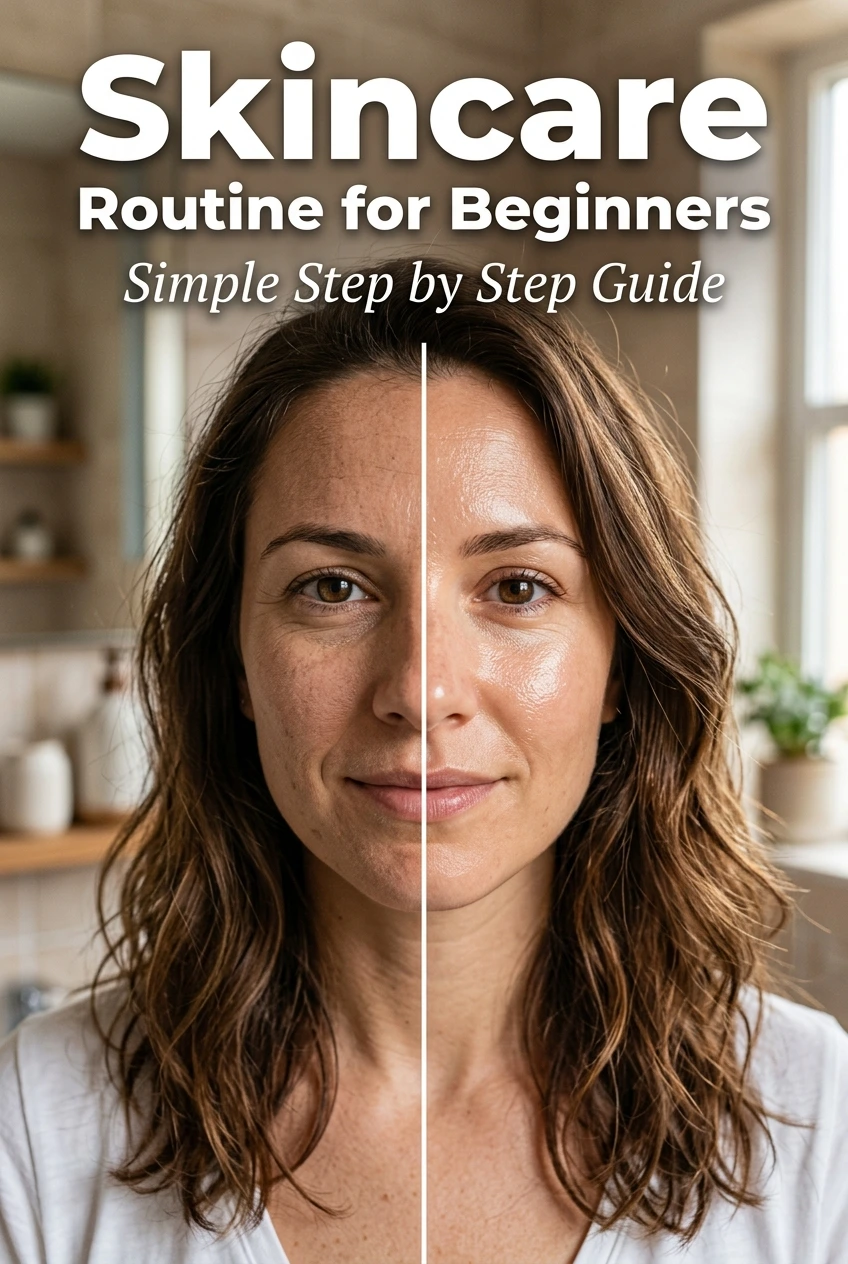
Starting a skincare routine for beginners does not have to be complicated or expensive. With so many products, trends, and 10-step routines flooding social media, it is easy to feel overwhelmed before you even begin. The truth is, healthy, glowing skin comes from consistency with just a few key steps – not from owning a cabinet full of serums.
This guide breaks down everything you need to know to build a simple, effective beginner skincare routine that actually works. Whether you are starting from scratch or trying to fix a routine that is not delivering results, this step-by-step approach will give your skin exactly what it needs.
Why a Simple Skincare Routine for Beginners Works Best
The most common mistake beginners make is doing too much too soon. Introducing too many new products at once makes it impossible to know what is helping and what is causing a reaction. A simple routine of three to four steps allows your skin to adjust, lets you identify what works, and builds a sustainable habit.
Dermatologists consistently recommend that beginners start with the basics – a gentle cleanser, a moisturizer, and sunscreen. These three steps address the core needs of every skin type and form the foundation from which you can build a more advanced routine once your skin is balanced and comfortable.
What Happens When Beginners Skip a Skincare Routine
Skipping a consistent beginner skincare routine leads to a buildup of dirt, oil, dead skin cells, and environmental pollutants on the skin surface. This buildup clogs pores, dulls the complexion, and accelerates the breakdown of collagen over time. Even one week of inconsistency can undo weeks of skin improvements.
The skin renews itself approximately every 28 days. This means that visible improvements from a new routine – better texture, reduced breakouts, improved hydration – take 4 to 8 weeks to appear. Patience and consistency are the two most important ingredients in any skincare routine.
How Long Before a Beginner Skincare Routine Shows Results
Most beginners notice improved skin hydration and a subtle glow within the first two weeks of a consistent routine. Clearer skin and reduced breakouts typically appear within 4 to 6 weeks. More significant improvements in skin texture, pore appearance, and tone usually take 8 to 12 weeks of daily use.
The key is not to give up too early. Many people abandon their routine after two or three weeks because they do not see dramatic results yet. Stay consistent, introduce products one at a time, and give each product at least four weeks before judging its effectiveness.
How to Find Your Skin Type for Beginner Skincare
Knowing your skin type is the first step toward building an effective beginner skincare routine. Using products designed for the wrong skin type can worsen your skin rather than improve it. Fortunately, identifying your skin type is simple and requires no special equipment.
Normal Skin Type and the Best Beginner Skin Care Steps
Normal skin is balanced – not too oily, not too dry. Pores are small and barely visible, the complexion is even, and breakouts are infrequent. If you have normal skin, most gentle products will work well for you. A basic three-step routine of cleansing, moisturizing, and SPF is all you need to maintain your skin’s natural balance.
Oily Skin Type and Beginner Skincare Product Choices
Oily skin produces excess sebum, leading to a shiny appearance, enlarged pores, and frequent breakouts. If your skin looks and feels greasy within a few hours of washing, you likely have oily skin. Choose a gel or foam cleanser, a lightweight oil-free moisturizer, and a mattifying or non-comedogenic sunscreen that will not clog pores.
Avoid heavy creams and oil-based products that add to the excess sebum. Contrary to popular belief, oily skin still needs moisturizer – skipping it causes the skin to produce even more oil to compensate for the dryness.
Dry Skin Type and Beginner Skin Care Routine Adjustments
Dry skin feels tight, rough, or flaky and may look dull or ashy. It is prone to irritation and fine lines. If you have dry skin, choose a creamy or hydrating cleanser that does not strip natural oils, a rich moisturizer with ingredients like hyaluronic acid, ceramides, or shea butter, and a moisturizing sunscreen formula.
Drink plenty of water, use a humidifier in dry environments, and avoid hot showers – which strip the skin’s natural moisture barrier. Apply moisturizer immediately after washing while your skin is still slightly damp to lock in hydration.
Combination and Sensitive Skin Types for Beginner Skincare
Combination skin is oily in the T-zone (forehead, nose, and chin) but dry or normal on the cheeks. Use a gentle, balanced cleanser and apply a lightweight moisturizer to oily areas and a richer formula to drier zones. Sensitive skin reacts easily to new products with redness, itching, or breakouts. Choose fragrance-free, hypoallergenic products and always patch-test new items before applying them to your face.
The Basic Skincare Routine for Beginners Step by Step
Here is the simple, three-step beginner skin care routine that forms the foundation of healthy skin for every skin type. This routine takes less than five minutes morning and night – and that is all you need to start seeing real improvements.
Step 1 – Cleansing for a Basic Skincare Routine
Cleansing is the first and most essential step in any skin care routine. A gentle cleanser removes dirt, excess oil, makeup, bacteria, and environmental pollutants that accumulate on your skin throughout the day and overnight. Cleansing prepares your skin to absorb the products that follow.
Use a gentle, pH-balanced cleanser morning and night. Apply to damp skin, massage in circular motions for 30-60 seconds, and rinse with lukewarm water. Avoid hot water, which strips natural oils and damages the skin barrier. Pat – do not rub – your face dry with a clean towel.
Step 2 – Moisturizing in Your Beginner Skincare Routine
Moisturizing is essential for every skin type – including oily skin. A good moisturizer strengthens the skin barrier, locks in hydration, reduces water loss throughout the day, and keeps skin soft and plump. Without moisturizer, even naturally oily skin can become dehydrated and irritated.
Apply moisturizer immediately after cleansing while your skin is still slightly damp for the best absorption. Use a lightweight, oil-free formula for oily skin and a richer cream for dry or combination skin. Apply gentle upward strokes and include your neck in the routine.
Step 3 – Sunscreen for Beginner Skin Care Every Morning
Sunscreen is the single most important product in any beginner skin care routine. UV radiation is the leading cause of premature skin aging, hyperpigmentation, and skin cancer. No serum, cream, or treatment can reverse the damage that daily unprotected sun exposure causes over years and decades.
Use a broad-spectrum SPF 30 or higher every single morning – even on cloudy days and even if you are spending most of your time indoors. Apply it as the last step of your morning routine, after moisturizer. Reapply every two hours if you are outdoors.
Optional Step – Toner for Beginner Skin Care Routines
Toners are optional for beginners but can be beneficial for oily or acne-prone skin. Modern toners are nothing like the harsh, alcohol-based formulas of the past. Today’s toners are hydrating, soothing liquids that help balance the skin’s pH after cleansing and prepare it to absorb serums and moisturizers more effectively.
If you want to add a toner, apply it to a cotton pad and gently swipe it across your face after cleansing and before moisturizing. Look for alcohol-free formulas with hydrating ingredients like hyaluronic acid or calming ingredients like niacinamide.
Morning Skincare Routine for Beginners
Your morning beginner skincare routine focuses on protection and preparation for the day ahead. Follow these steps every morning for consistently healthy skin.
Start with a gentle cleanser to remove overnight buildup. Apply a lightweight moisturizer suited to your skin type. Finish with a broad-spectrum SPF 30+ sunscreen as the very last step. If desired, add a hydrating toner between cleansing and moisturizing. The entire morning routine should take 3-5 minutes.
Evening Skincare Routine for Beginners
Your evening beginner skincare routine focuses on repair and renewal. Nighttime is when your skin does its most intensive regeneration work – so giving it the right support makes a real difference in how your skin looks over time.
Step 1 – Double Cleansing for Beginner Evening Skincare
If you wear sunscreen, makeup, or have been outdoors, double cleansing in the evening ensures your skin is thoroughly clean. Start with a micellar water or cleansing balm to dissolve sunscreen and surface impurities, then follow with your regular gentle cleanser to clean the skin itself.
If you wear no makeup and minimal sunscreen, a single gentle cleanse is sufficient in the evening. The goal is clean skin that is not stripped or irritated – not squeaky-clean skin that feels tight.
Step 2 – Serum as a Beginner Skin Care Upgrade
Once you are comfortable with your basic three-step routine, a serum is the best first upgrade to consider. Serums are concentrated treatments that target specific skin concerns – like dullness, dehydration, uneven tone, or early signs of aging. Apply a few drops to clean skin before moisturizer.
For beginners, a hyaluronic acid serum is the safest and most universally beneficial choice. It deeply hydrates skin without causing irritation or breakouts and suits every skin type. Vitamin C serum is another excellent beginner option for brightening and antioxidant protection.
Step 3 – Night Cream in a Beginner Skincare Routine
A night cream or evening moisturizer is typically richer and more nourishing than a daytime formula, providing deeper hydration and supporting the skin’s natural overnight repair processes. It does not need to be expensive – a simple ceramide cream or shea butter-based moisturizer works very well for most skin types.
Apply your night cream as the final step of your evening routine. Do not use sunscreen at night – it is unnecessary and can cause irritation when worn for hours in a warm environment.
Skincare Ingredients Beginners Should Know About
Understanding a few key skincare ingredients helps beginners make smarter product choices and get better results from their routine.
Beginner-Friendly Skincare Ingredients That Actually Work
Hyaluronic acid attracts and retains moisture in the skin, making it ideal for all skin types including oily. Niacinamide (vitamin B3) reduces pore appearance, controls oil, fades dark spots, and strengthens the skin barrier – one of the most versatile and well-tolerated ingredients available. Ceramides repair and strengthen the skin barrier, reducing sensitivity and moisture loss.
Vitamin C brightens the complexion and protects against free radical damage from UV and pollution. SPF is the most powerful anti-aging and skin-protecting ingredient available – more effective than any serum or treatment on the market.
Skincare Ingredients Beginners Should Avoid at First
Retinol is a powerful anti-aging ingredient but is too strong for most beginners starting a new skin care routine. It causes initial peeling, dryness, and sun sensitivity. If you want to introduce retinol, wait until your basic routine is well-established and start with the lowest concentration available, used just once or twice per week.
Strong acids like glycolic acid, salicylic acid, and chemical exfoliants should also be introduced gradually and one at a time. Avoid using multiple active ingredients simultaneously, as this increases the risk of irritation, especially for sensitive skin.
Frequently Asked Questions About Skincare Routines for Beginners
How often should beginners do a skincare routine?
A beginner skincare routine should be done twice daily – morning and evening. Consistency is more important than complexity. Doing a simple three-step routine every single day produces far better results than doing an elaborate ten-step routine occasionally.
What is the most important step in beginner skin care?
Sunscreen is the single most important step in any beginner skin care routine. It prevents UV damage, premature aging, hyperpigmentation, and skin cancer. If you can only do one thing for your skin every morning, make it applying a broad-spectrum SPF 30+. No other product comes close to its impact on long-term skin health.
Can beginners use a skincare routine on sensitive skin?
Yes – sensitive skin benefits greatly from a consistent beginner skincare routine using gentle, fragrance-free products. The key is to introduce one new product at a time, patch-test everything on the inside of your wrist before applying it to your face, and avoid harsh ingredients like alcohol, synthetic fragrance, and strong acids. Simple, minimal routines work best for sensitive skin.
Building a skincare routine for beginners does not require expensive products, complex steps, or hours of research. Start with three simple steps – cleanse, moisturize, and protect with SPF – and do them consistently every day.
Once these three steps feel natural, you can gradually add targeted treatments like serums and toners. Great skin is built slowly, through daily habits – and the sooner you start, the sooner you will see and feel the difference.