When Life Gets Hard: 10 Things That Actually Help You Get Through It
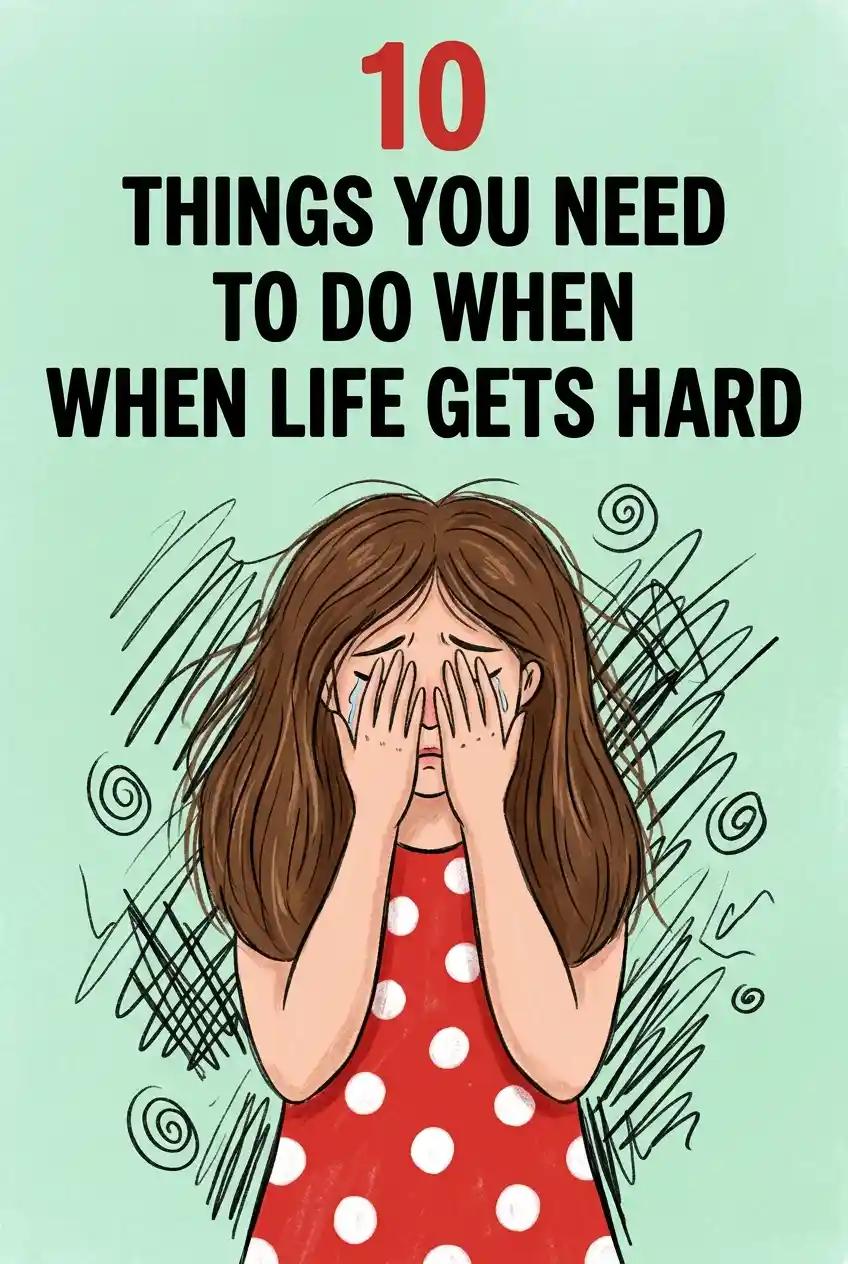
When life gets hard – and it will, for all of us – the instinct is often to push through alone, pretend everything is fine, or wait for things to somehow improve on their own. Furthermore, none of those approaches actually work. What does work is a set of grounded, practical habits that hold you steady and build genuine resilience over time. Here are ten of them.
Why life gets hard and what it asks of you
Hard times come in many forms – loss, illness, financial stress, relationship breakdown, burnout, or simply the slow accumulation of too much for too long. Consequently, what matters most is not avoiding difficulty but building the capacity to move through it without losing yourself in the process.
Research consistently shows that resilience is not a fixed trait – it is a skill built through specific habits and practices. Moreover, the people who navigate hard times well are not those who feel less pain, but those who respond to that pain in ways that support rather than deplete them.
When life gets hard – the most important first step
Allow yourself to feel what you feel without judgment. Furthermore, fighting difficult emotions takes enormous energy and prolongs suffering. Acknowledging pain – even briefly – is not weakness. It is the first step toward moving through it rather than around it.
10 things that help when life gets hard
These are not quick fixes. They are consistent habits that compound over time and genuinely change how you experience difficulty.
1 to 5 – foundational habits
- Focus on what you can control. Hard times often involve circumstances outside your control. Consequently, directing energy toward what you can influence – your response, your habits, your next small step – reduces helplessness and builds momentum.
2. Take things one day at a time. When everything feels overwhelming, the full picture becomes paralyzing. Furthermore, asking yourself “what do I need to do today?” – and only today – makes impossible situations manageable.
3. Protect your sleep. Sleep deprivation dramatically worsens emotional regulation, decision-making, and resilience. Moreover, even one consistently better night of sleep changes how the same problem looks and feels the following day.
4. Move your body every day. Physical movement is one of the most evidence-based ways to regulate stress hormones, reduce anxiety, and improve mood. Additionally, even a 20-minute walk lowers cortisol and increases endorphins measurably.
5. Reach out to one person. Isolation amplifies pain. Talking to one trusted person – not to solve anything but simply to be heard – reduces the emotional weight significantly. Furthermore, you do not have to carry hard times alone.
Remember: You have already survived every hard day you have ever had – a 100% success rate. Furthermore, hard times are not permanent states. They are difficult chapters in a longer story that will continue beyond what you can currently see.
6 to 10 – mindset and recovery habits
- Reduce decisions and simplify. Decision fatigue is real and hits hardest when you are already depleted. Consequently, simplify your daily routine, eat the same easy meals, wear whatever requires no thought, and protect your mental energy for what actually matters.
7. Spend time in nature. Research shows that 20 minutes in a natural environment reduces cortisol by up to 21%. Moreover, nature provides perspective that indoor environments simply cannot – reminding you that the world is larger than your current problem.
8. Journal without judgment. Writing thoughts down externalizes them and creates distance between you and the emotion. Furthermore, even five minutes of free writing each morning reduces anxiety and improves problem-solving capacity.
9. Find one small thing to look forward to. Anticipation of something positive – even something small like a good coffee or a favourite show – activates the brain’s reward system and provides genuine emotional relief during difficult periods.
10. Be as kind to yourself as you would to a friend. Most people speak to themselves during hard times in ways they would never speak to someone they love. Additionally, self-compassion is not self-pity – it is the practice of treating your own suffering with the same kindness you would extend to anyone else.
What to remember when life gets hard
Difficult periods always feel more permanent than they are. Furthermore, every person reading this has already navigated hard times they once thought would break them. That history of survival is real evidence of resilience – even when it does not feel that way.
When to seek professional support
If you are struggling with depression, persistent anxiety, grief, or trauma, please reach out to a mental health professional. Moreover, therapy and counseling are not signs of weakness – they are evidence of self-awareness and courage. Asking for help is one of the most powerful things you can do for yourself.
Daily routine for when life feels hard
Structure provides stability when everything else feels unstable. Consequently, a simple consistent daily routine reduces anxiety and decision fatigue significantly.
A simple daily anchor routine
Morning: wake at the same time, drink water, spend 5 minutes outside or near a window.
Midday: eat a real meal, take a 10-minute walk, do one task that moves your situation forward.
Evening: limit screen time after 8pm, journal briefly, go to bed at a consistent time.
One habit to start today
If you can only do one thing from this list, make it a daily 20-minute walk. Furthermore, it costs nothing, requires no equipment, and produces measurable improvements in mood, anxiety, and resilience within days of starting.
Hard times are not a sign that you are failing – they are part of every human life. Furthermore, the habits you build during difficult periods become the foundations of the person you become afterward. Start with one thing today. Take one day at a time. Reach out to one person. The road through hard times is always shorter when you are not walking it alone.