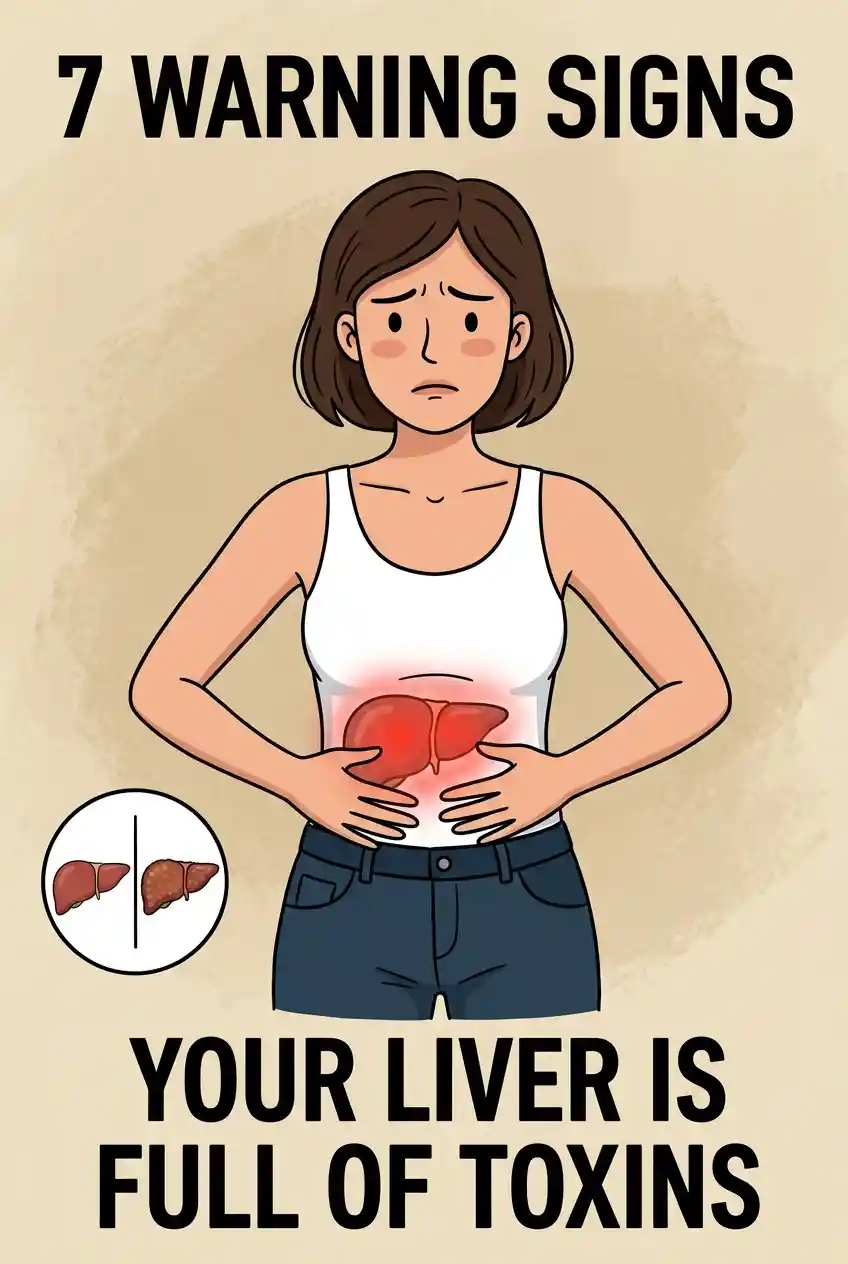
Liver Damage Signs: 7 Warnings Your Body Is Full of Toxins
The early liver damage signs are easy to dismiss as tiredness, stress, or digestive issues – which is exactly why liver disease so often goes undetected until it reaches a serious stage. Furthermore, when the liver becomes overwhelmed with toxins it can no longer filter efficiently, the effects spread throughout the entire body. Recognizing these seven warning signs early can make a profound difference to long-term health outcomes.
What the liver does and why damage is so serious
The liver performs over 500 essential functions every day – filtering toxins from the blood, producing bile for digestion, regulating hormones, storing vitamins and minerals, and producing proteins essential for blood clotting. Consequently, when it becomes damaged, the effects ripple through virtually every body system.
The liver is also remarkably resilient – it can regenerate and compensate for damage for years before symptoms appear. Moreover, this means that by the time most people notice liver damage signs, the organ has already been struggling for some time.
Liver damage signs – what causes the damage
The most common causes of liver damage are excessive alcohol consumption, non-alcoholic fatty liver disease (linked to obesity and poor diet), viral hepatitis, certain medications including high-dose paracetamol, and chronic exposure to toxins. Furthermore, diabetes, autoimmune conditions, and inherited metabolic disorders also contribute.
When to seek emergency care
Seek emergency medical attention immediately if you experience sudden severe abdominal pain, vomiting blood, confusion or loss of consciousness alongside other liver symptoms. Moreover, these may indicate acute liver failure, which is life-threatening and requires urgent intervention.
7 liver damage signs your body is full of toxins
These warning signs reflect the body’s struggle to function when the liver can no longer filter and process toxins effectively.
1 to 4 – the most recognizable warnings
- Jaundice – yellowing of skin and eyes. Jaundice is the most recognizable sign of liver dysfunction. It occurs when the liver can no longer process bilirubin – a yellow pigment produced by the breakdown of red blood cells – causing it to accumulate in the bloodstream. Consequently, the skin, whites of the eyes, and sometimes the tongue develop a distinctly yellow tint. Dark tea-colored urine and pale, clay-colored stools often accompany this symptom.
2. Chronic fatigue and weakness. When the liver fails to filter toxins efficiently, harmful substances including ammonia accumulate in the blood and affect the brain and muscles, causing profound exhaustion that rest cannot fix. Furthermore, the liver’s reduced ability to store and release glucose disrupts energy regulation throughout the body.
3. Abdominal pain and swelling. Pain or discomfort in the upper right abdomen – just below the ribcage – indicates liver inflammation or enlargement. In more advanced cases, fluid accumulates in the abdomen (ascites), causing visible swelling and bloating. Moreover, this fluid buildup can press against the lungs and cause shortness of breath.
4. Nausea and loss of appetite. A damaged liver produces less bile, disrupting fat digestion and causing persistent nausea, particularly after eating fatty foods. Additionally, toxin buildup in the bloodstream suppresses appetite and creates a general feeling of illness that many people mistake for a stomach virus.
Important: A simple liver function blood test (LFT) measures ALT, AST, bilirubin, and albumin levels. Furthermore, this affordable test can detect liver stress years before serious symptoms appear. Ask your doctor about including it in your next routine blood panel.
5 to 7 – signs that are frequently missed
- Itchy skin. When bile cannot flow normally through a damaged liver, bile salts accumulate under the skin, causing persistent itching – particularly at night and on the palms and soles. Consequently, this symptom is frequently attributed to dry skin or allergies rather than the liver issue causing it.
6. Easy bruising and bleeding. The liver produces the clotting proteins that stop bleeding after injury. Moreover, when liver function declines, these proteins diminish, causing unusual bruising from minor contact, prolonged bleeding from small cuts, and frequent nosebleeds or bleeding gums.
7. Brain fog and confusion. When the liver cannot filter toxins like ammonia from the bloodstream, they reach the brain and impair neurological function – a condition called hepatic encephalopathy. Furthermore, early signs include difficulty concentrating, memory problems, irritability, and disturbed sleep patterns before more obvious confusion develops.
What to do when you notice liver damage signs
Early intervention produces dramatically better outcomes. Furthermore, the liver has remarkable regenerative capacity when damage is caught before cirrhosis develops.
Steps to take immediately
See a doctor and request liver function tests. This is the most important step. Consequently, blood tests and an ultrasound provide a complete picture of liver health within days.
Stop alcohol completely. Even moderate alcohol consumption worsens existing liver damage significantly. Furthermore, the liver cannot repair itself while continuing to process alcohol.
Review all medications. Tell your doctor every medication, supplement, and herbal product you take. Moreover, many common over-the-counter drugs are metabolized by the liver and can accelerate damage.
Daily habits that protect liver health
These consistent habits reduce the toxic burden on the liver and support its natural regeneration processes.
Protective foods and habits
Coffee. Multiple studies show that two to three cups of coffee daily significantly reduces the risk of liver fibrosis and cirrhosis. Furthermore, it is one of the most consistently protective dietary habits for liver health available.
Cruciferous vegetables. Broccoli, cauliflower, Brussels sprouts, and kale contain compounds that enhance liver detoxification enzymes and reduce fat accumulation in liver tissue.
Stay hydrated. Adequate water intake supports the kidneys in sharing the detoxification load. Consequently, this reduces the burden on a stressed liver.
Maintain a healthy weight. Non-alcoholic fatty liver disease is now the most common liver condition worldwide. Moreover, even a modest weight reduction of 5-10% produces measurable improvement in liver fat and inflammation.
How long does the liver take to recover
Early-stage liver damage – before significant scarring – can reverse substantially with lifestyle changes over three to six months. Cirrhosis is largely irreversible but its progression can be halted. Furthermore, the sooner intervention begins, the greater the liver’s ability to recover.
Your liver works silently and rarely complains until it is under significant stress. Furthermore, knowing these seven liver damage signs could prompt you to seek testing years before serious disease develops. Share this article with someone who might need to see it – early detection truly saves lives.