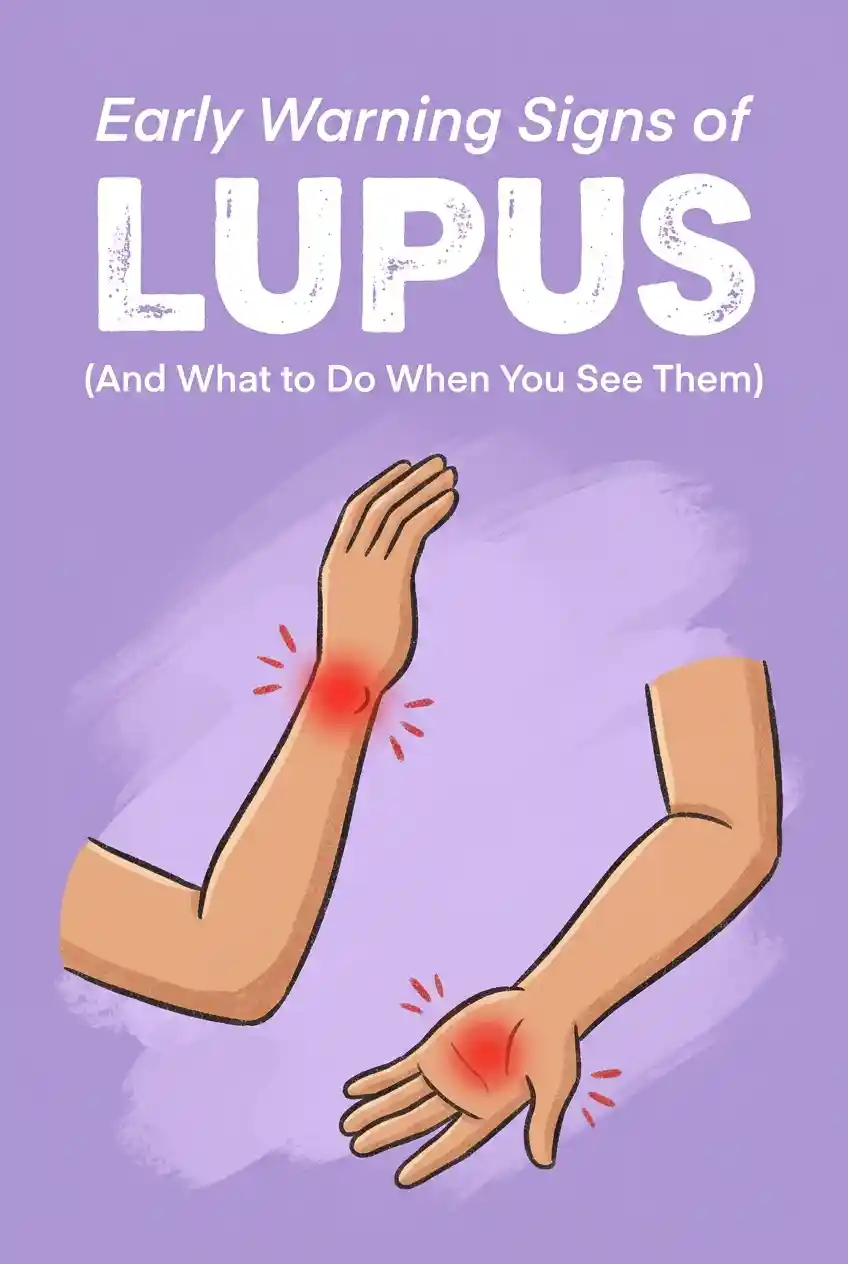
Lupus Symptoms: 10 Early Warning Signs You Should Never Ignore
Lupus symptoms are notoriously difficult to recognize because they mimic so many other conditions – earning lupus the nickname “The Great Imitator.” Furthermore, symptoms come and go in waves called flares, making patterns hard to track. However, knowing the ten most common early warning signs can help you seek diagnosis sooner – and early diagnosis makes a significant difference to long-term outcomes.
What is lupus and who gets it
Lupus (systemic lupus erythematosus or SLE) is a chronic autoimmune disease where the immune system mistakenly attacks the body’s own healthy tissue. Consequently, it can affect the skin, joints, kidneys, brain, heart, and lungs.
Around 90% of people with lupus are women, and symptoms most commonly begin between ages 15 and 44. Moreover, lupus is more common in Black, Hispanic, and Asian women – and tends to be more severe in these groups. The average time from first symptoms to diagnosis is nearly four years, which is why awareness matters so much.
Lupus symptoms – flares and remission
Lupus follows a cycle of flares – periods when symptoms worsen – and remission, when they improve or disappear. Furthermore, flares are often triggered by sun exposure, stress, infections, hormonal changes, and certain medications. Tracking your symptoms and potential triggers in a daily diary helps your doctor make a faster and more accurate diagnosis.
Why lupus takes so long to diagnose
No single test confirms lupus. Moreover, symptoms overlap with fibromyalgia, rheumatoid arthritis, thyroid disease, and other conditions. Doctors use a combination of blood tests, urinalysis, and symptom history to reach a diagnosis – which is why consistent symptom tracking is so important.
10 early lupus symptoms to recognize
Recognizing two or more of these symptoms together – particularly if they come and go – is a strong reason to seek medical evaluation.
1 to 5 – the most common early signs
- Butterfly rash. A distinctive red or pink rash shaped like a butterfly that spreads across both cheeks and the bridge of the nose. It is one of the most recognizable lupus signs and often worsens after sun exposure. Furthermore, it appears in around 50% of people with lupus.
2. Extreme fatigue. Not ordinary tiredness – a profound, overwhelming exhaustion that does not improve with rest. Up to 90% of people with lupus experience fatigue. Consequently, it is often the earliest and most persistent symptom, frequently dismissed as stress or burnout.
3. Joint pain and swelling. Painful, stiff, and swollen joints – particularly in the morning – that can move from joint to joint. Unlike rheumatoid arthritis, lupus-related joint damage rarely causes permanent bone erosion. Moreover, it commonly affects the fingers, wrists, and knees.
4. Sun sensitivity. Unusual reactions to sunlight including skin rashes, fever, joint pain, or fatigue triggered by even brief UV exposure. Additionally, some people react to fluorescent lighting indoors. This photosensitivity is a clinically significant marker that doctors specifically look for.
5. Hair loss. Thinning hair or patches of hair loss, particularly during active disease periods. Furthermore, lupus-related hair loss is usually diffuse rather than in defined patches, and hair typically regrows once the disease is better controlled.
Important: Having one of these symptoms does not mean you have lupus. However, experiencing three or more – particularly if they come and go – is a strong reason to request an ANA blood test from your doctor. Moreover, keep a symptom log noting when symptoms appear, how long they last, and any possible triggers.
6 to 10 – signs that are frequently missed
- Mouth or nose sores. Painless ulcers inside the mouth, on the roof of the palate, or inside the nose are a classic lupus sign that many people overlook. Furthermore, they often appear during flares alongside other symptoms.
7. Unexplained low-grade fever. A persistent mild fever between 37.2°C and 38.3°C without an obvious infection is a common early lupus sign. Consequently, it is frequently attributed to a virus and dismissed without further investigation.
8. Chest pain with deep breathing. Lupus can cause inflammation of the lining around the lungs (pleuritis) or heart (pericarditis), resulting in sharp chest pain that worsens when breathing deeply. Moreover, this symptom always warrants prompt medical evaluation.
9. Kidney problems. Lupus nephritis affects around half of all lupus patients. Early signs include foamy urine, swollen ankles, unexplained weight gain, and elevated blood pressure. Additionally, kidney involvement may show no symptoms at all in early stages – making regular urine testing essential.
10. Brain fog and mood changes. Difficulty concentrating, memory problems, headaches, confusion, and mood changes are neurological manifestations of lupus. Furthermore, these are often the most distressing symptoms for many people and are commonly misattributed to anxiety or depression.
What to do when you recognize lupus symptoms
Acting on these signs early can prevent organ damage and significantly improve long-term quality of life.
Steps to take
Track symptoms in a diary. Note what symptoms appear, when they occur, how long they last, and any possible triggers. Consequently, this information helps your doctor enormously in making an accurate diagnosis.
Request an ANA test. The antinuclear antibody (ANA) blood test is the primary screening test for lupus. Furthermore, a positive ANA does not confirm lupus but prompts further testing.
See a rheumatologist. A rheumatologist specializes in autoimmune conditions and is the most appropriate specialist for lupus diagnosis and management. Moreover, ask for a referral if your GP is uncertain.
Managing lupus symptoms day to day
There is no cure for lupus, but with the right treatment and lifestyle adjustments, most people manage their symptoms effectively and live full lives.
Daily habits that reduce flares
Sun protection every day. SPF 50+ sunscreen, protective clothing, and avoiding peak sun hours significantly reduce the frequency of flares for most people with lupus.
Prioritize sleep and stress management. Fatigue and stress are major flare triggers. Furthermore, consistent sleep, gentle exercise, and mindfulness practices all reduce disease activity over time.
Anti-inflammatory diet. Omega-3 rich foods, leafy greens, berries, and turmeric reduce systemic inflammation. Moreover, avoiding processed foods, alcohol, and smoking significantly reduces flare frequency.
Medical treatments available
Treatment depends on which organs are affected and disease severity. Common medications include hydroxychloroquine (which reduces flare frequency), corticosteroids for active inflammation, and immunosuppressants for organ-threatening disease. Furthermore, newer biologic treatments offer additional options for people whose disease is not controlled by standard medications.
Lupus is challenging to diagnose but very manageable with the right medical support. Furthermore, the earlier it is caught, the better the long-term outcomes. If you recognize three or more of these symptoms – particularly if they come and go – speak to your doctor and ask specifically about lupus screening. You know your body better than anyone. Trust what it is telling you.