Nail Fungus Home Treatment: 8 Natural Remedies That Clear It Fast
Nail fungus is stubborn, unsightly, and more common than most people realize. Whether it affects your toenails or fingernails, the right home treatment can clear nail fungus without a prescription – it just takes consistency and patience. These eight natural remedies are proven to work, affordable, and can be started tonight.
What is nail fungus and does it hurt
Nail fungus – known medically as onychomycosis – is a fungal infection that affects the nail and the skin underneath. It is caused by dermatophytes, yeasts, or molds that thrive in warm, moist environments like shoes, locker rooms, and swimming pools.
Left untreated, it spreads to other nails and worsens over time. It is contagious and can pass to others through shared towels, nail clippers, or walking barefoot on contaminated surfaces.
Does nail fungus hurt
In early stages, nail fungus is usually painless. As it progresses, the nail thickens and can become uncomfortable in shoes, especially for toenails. Severe or long-standing infections can cause pain when walking or pressure on the nail. The nail may also separate from the nail bed, which can be tender.
Nail fungus signs to recognize
Yellow, brown, or white discoloration of the nail. Usually starting at the edge or tip.
Thickened or brittle nail. The nail becomes hard, crumbly, and difficult to trim.
Distorted nail shape. The nail may curl, lift, or separate from the nail bed.
Unpleasant odor. A faint musty smell is common with active fungal infections.
When to see a doctor
See a doctor if the infection spreads rapidly, causes significant pain, affects most nails, or does not improve after three months of home treatment. People with diabetes or compromised immune systems should consult a doctor before attempting home treatment.
8 best nail fungus home treatments
These treatments work by killing the fungus directly, creating an environment where it cannot survive, or both. Consistency is everything – most require daily application for several weeks to months.
1. Tea tree oil for nail fungus
Tea tree oil is one of the most researched natural antifungal treatments available. Its active compounds – terpinen-4-ol in particular – directly kill dermatophytes and inhibit their growth.
How to use it: File the surface of the nail gently first. Apply undiluted tea tree oil directly to the nail and surrounding skin using a cotton ball. Do this twice daily – morning and evening. Results become visible after four to six weeks of consistent use.
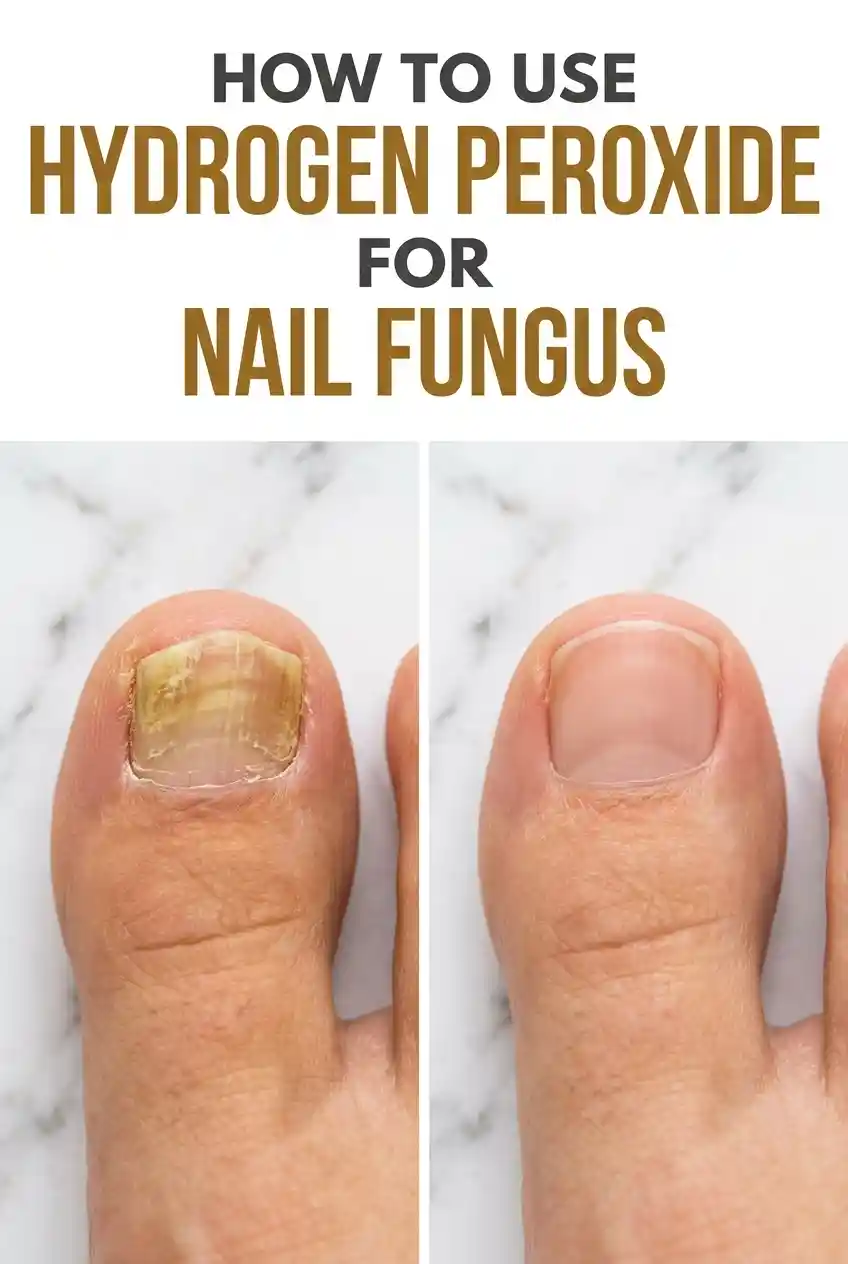
2. Hydrogen peroxide for nail fungus
Hydrogen peroxide kills fungus by releasing oxygen that destroys the fungal cell walls. It is one of the most affordable and accessible nail fungus treatments available.
How to use it: Pour 3% hydrogen peroxide into a basin. Soak the affected nails for 10-15 minutes daily. Alternatively, apply directly to the nail with a cotton ball and leave for 10 minutes before rinsing. Combine with white vinegar for a stronger effect – soak alternately in each solution on separate days.
3. Apple cider vinegar soak
Fungus cannot survive in an acidic environment. Apple cider vinegar lowers the pH around the nail, making conditions hostile for fungal growth while gently exfoliating dead skin.
Mix equal parts ACV and warm water in a basin. Soak nails for 20-30 minutes daily. Pat dry thoroughly afterward – moisture encourages fungal regrowth. Most people notice improvement within two to four weeks.
Pro tip: Always dry your feet and nails thoroughly after any soak or shower. Fungus thrives in moisture. Use a dedicated towel for affected nails and wash it regularly to prevent spreading the infection.
4. Vicks VapoRub
Vicks VapoRub contains thymol – a compound with proven antifungal properties. A study published in the Journal of the American Board of Family Medicine found Vicks effective against nail fungus in 83% of participants who used it daily.
Apply a small amount of Vicks directly to the affected nail every night before bed. Cover with a sock for toenail infections. Use consistently for at least four to six months – nail fungus clears as the nail grows out.
5. Baking soda paste
Baking soda does not kill fungus directly but creates an alkaline environment that stops it spreading and neutralizes the odor associated with the infection.
Mix baking soda with enough water to form a paste. Apply to the nail and surrounding skin. Leave for 15 minutes then rinse. Do this twice daily. Works best combined with an antifungal soak like ACV or hydrogen peroxide.
More nail fungus home treatments that work
6. Oregano oil
Oregano oil contains carvacrol and thymol – two potent natural antifungal compounds. It is often more powerful than tea tree oil but also more irritating to the skin.
Always dilute oregano oil with a carrier oil (coconut or olive) in a 1:1 ratio before applying to skin. Apply to the affected nail once daily. Do a patch test on the inner arm first to check for sensitivity.
7. Garlic
Garlic contains allicin – a compound with strong antifungal activity that has been shown to inhibit the growth of the dermatophytes responsible for most nail infections.
Crush one or two garlic cloves and apply directly to the nail. Cover with a bandage for 30 minutes, then rinse. Alternatively, mix garlic oil with an equal part of white vinegar and apply with a cotton ball. Use daily for several weeks.
8. Listerine foot soak
Listerine contains thymol, eucalyptol, menthol, and methyl salicylate – all of which have antifungal properties. Soaking in Listerine creates a hostile environment for fungus while improving overall foot hygiene.
Mix equal parts Listerine and white vinegar in a basin. Soak the affected nails for 20-30 minutes daily. Pat dry completely afterward. This combination is particularly popular for toenail fungus and is one of the most shared home remedies online.
How to prevent nail fungus from returning
Treatment is only half the solution. Without these prevention habits, nail fungus returns easily.
Daily prevention habits
Keep nails short and clean. Trim regularly and file thickened areas to allow treatments to penetrate better.
Wear moisture-wicking socks. Change socks daily and choose materials that keep feet dry.
Wear shoes in public areas. Locker rooms, pools, and gyms are the most common places where fungus spreads.
Disinfect nail tools. Clean clippers and files with alcohol before and after each use.
Choose breathable shoes. Avoid tight, synthetic shoes that trap heat and moisture around the toes.
How long does nail fungus take to clear
Toenail fungus takes six to twelve months to fully clear because toenails grow slowly. Fingernail fungus clears faster – usually three to six months. The infected nail must grow out completely and be replaced by healthy nail. Consistent daily treatment throughout this period is essential.
Nail fungus responds well to natural treatment when caught early and treated consistently. Start with tea tree oil or hydrogen peroxide applied daily, add an ACV or Listerine soak three times a week, and keep nails trimmed and dry throughout. Most people see visible improvement within four to six weeks. Stay consistent and the healthy nail will grow back.