Dark Spots on Face: 7 Natural Ways to Remove Them Fast at Home
Dark spots on face are one of the most common skincare concerns — and one of the most frustrating to deal with. Whether caused by sun damage, acne scars, hormonal changes, or aging, these patches of uneven pigmentation can linger for months if you do not target them correctly. The good news is that most dark spots respond well to natural ingredients used consistently at home. Here are seven proven remedies that actually work.
What causes dark spots on face
Dark spots form when the skin produces excess melanin — the pigment responsible for skin color — in response to a trigger. The most common triggers are UV exposure from the sun, post-inflammatory hyperpigmentation left behind by acne, hormonal changes during pregnancy or contraceptive use (known as melasma), and the natural aging process. Understanding your trigger helps you choose the most targeted treatment and prevent new spots from forming.
Dark spots on face from sun damage vs acne
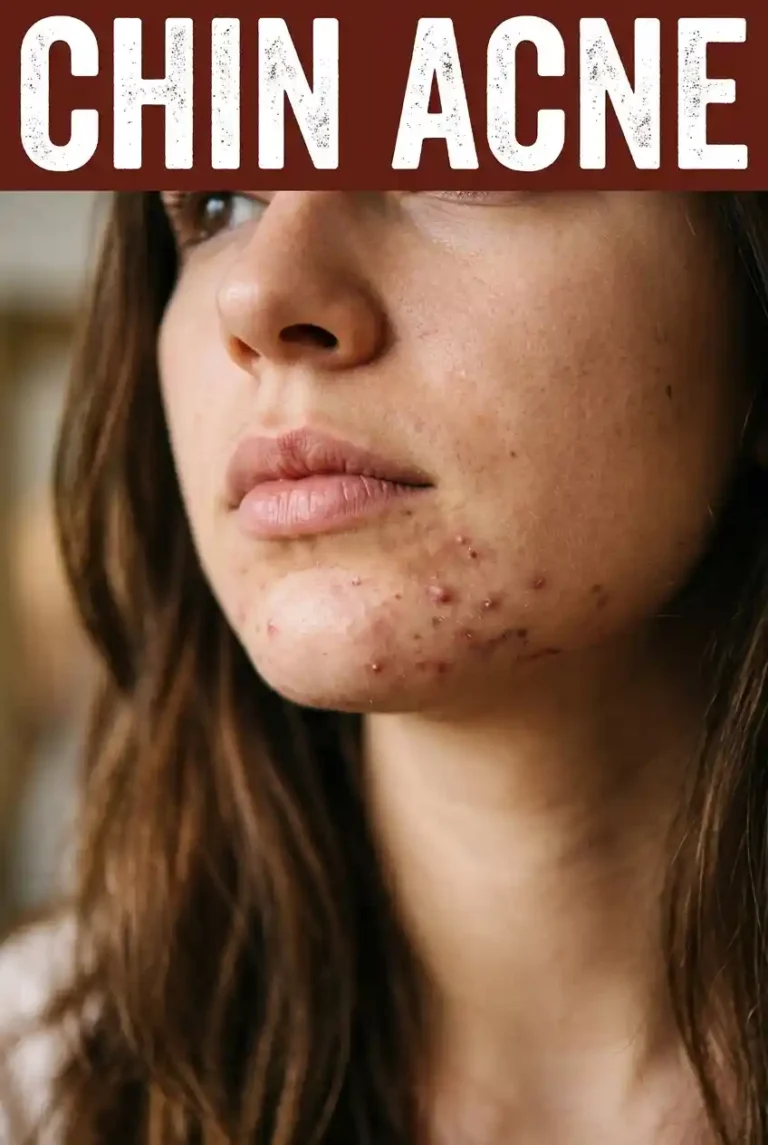
Sun-induced dark spots (solar lentigines) tend to be flat, well-defined, and appear on areas most exposed to UV — forehead, cheeks, and nose. Post-acne marks are usually lighter, more irregular in shape, and fade faster with treatment. Both types respond well to the remedies below, though sun spots may take longer to fade due to deeper melanin deposits.
Why sunscreen is the most important step
UV exposure darkens existing spots and creates new ones — undoing weeks of treatment in a single sunny afternoon. Wearing SPF 30+ every morning, even on cloudy days, is non-negotiable when treating dark spots. Without it, no remedy will produce lasting results.
7 natural remedies to remove dark spots on face
These ingredients are backed by evidence and safe for regular home use. Consistency is the key — most require four to eight weeks of daily application before visible fading occurs.
1. Vitamin C — best ingredient for dark spots on face
Vitamin C inhibits tyrosinase — the enzyme that triggers melanin production — making it the most targeted natural ingredient for fading hyperpigmentation. Apply a 10-20% vitamin C serum every morning to clean skin before moisturizer. Alternatively, apply fresh lemon juice diluted with equal parts water to spots for 10 minutes before rinsing. Always follow with sunscreen. Results become visible within four to six weeks of daily use.
2. Aloe vera gel
Aloe vera contains aloesin — a compound proven to suppress melanin production directly. It is gentle enough for daily use on all skin types, including sensitive skin. Apply pure aloe gel to spots every night before bed, leave on overnight, and rinse in the morning. Most people notice a gradual lightening of marks within four to six weeks of consistent nightly use.
3. Turmeric and honey mask
Turmeric contains curcumin which inhibits melanin synthesis and reduces the inflammation that worsens pigmentation. Mix half a teaspoon of turmeric with enough raw honey to form a paste. Apply to spots for 15 minutes and rinse well. Use two to three times per week. Results build over several weeks of consistent use.
Pro tip: Combine a morning vitamin C serum with a nightly aloe vera treatment. This two-step approach targets melanin production from two different angles simultaneously and produces faster results than either ingredient alone.
4. Apple cider vinegar
ACV contains acetic acid and natural alpha hydroxy acids that gently exfoliate the top layer of skin, accelerating cell turnover and bringing fresher, less pigmented skin to the surface faster. Dilute one part ACV with two parts water and apply with a cotton pad to affected areas. Leave five minutes and rinse. Start once a week to test tolerance before increasing frequency.
5. Rosehip seed oil
Rosehip oil is rich in natural vitamin A, vitamin C, and linoleic acid — all of which support skin regeneration and inhibit melanin production. Apply two to three drops to clean skin every evening, massaging gently until absorbed. It is particularly effective for post-acne marks and age-related spots, with most users reporting visible improvement within six to eight weeks.
Daily routine to fade dark spots on face
Consistency beats intensity every time with pigmentation. Here is the most effective daily routine for fading spots without overwhelming the skin.
Morning
Cleanse gently → apply vitamin C serum → moisturize → SPF 30+ sunscreen. This four-step routine targets pigmentation during the day while protecting against further UV damage.
Evening
Cleanse → apply rosehip oil or aloe vera to dark spots → moisturize. Two to three times a week, apply the turmeric and honey mask before your treatment step. Night is when skin regenerates most actively — this is the best window for fading treatments.
How long to fade dark spots on face naturally
Fresh post-acne marks (pink/red): 4-6 weeks with daily treatment.
Older brown spots: 2-4 months with consistent morning and evening routine.
Sun damage spots: 3-6 months — deeper melanin deposits take longer to fade.
Fading dark spots on face naturally is absolutely achievable — but it requires patience and daily consistency. Start with vitamin C in the morning and aloe vera at night, protect with sunscreen every single day, and add the turmeric mask twice a week. Most people see meaningful results within six to eight weeks. Your skin’s natural renewal process is incredibly powerful — give it the right ingredients and the time it needs.