Underarm Hair Removal: 7 Best Methods for Smooth, Long-Lasting Results
Underarm hair removal is one of the most common grooming routines for women — and with so many methods available, choosing the right one can feel overwhelming. From quick daily shaving to long-lasting laser treatment, each method comes with its own benefits, drawbacks, and ideal use case. This guide covers the seven most popular options so you can choose the one that fits your skin type, pain tolerance, budget, and lifestyle.
Why the right underarm hair removal method matters
The underarm area is one of the most sensitive on the body — it sweats, folds, and is in constant contact with clothing. Using the wrong removal method can lead to razor burns, ingrown hairs, hyperpigmentation (darkening of the skin), and chronic irritation that makes the problem worse over time. Understanding which method suits your skin type before committing to a routine can save you months of trial and error.
Underarm hair removal for sensitive skin
Sensitive skin reacts badly to friction, chemicals, and heat — making shaving, depilatory creams, and hot waxing potentially problematic. If your skin tends to redden, itch, or break out after hair removal, threading, sugaring, or laser are generally better long-term options. Always do a patch test before using any new product on the underarm area.
How to prevent ingrown hairs and darkening
Exfoliate the underarm area gently once or twice a week to prevent dead skin cells from trapping hairs beneath the surface. Use a mild scrub or a soft washcloth in circular motions. After any removal method, apply aloe vera gel or a fragrance-free moisturizer to soothe and protect the skin. Avoid tight clothing immediately after treatment.
7 underarm hair removal methods compared
Here is an honest breakdown of the most popular options — what each one involves, how long results last, and who it works best for.
1. Shaving — the quickest underarm hair removal option
Shaving is the most common and accessible method — it takes under two minutes and requires only a razor and shaving gel. Results last one to three days before regrowth becomes visible. While quick and painless, shaving cuts hair at the surface rather than the root, which can leave a dark shadow effect on fairer skin. Always shave in the direction of hair growth to minimize irritation, use a fresh blade each time, and moisturize immediately after.
2. Waxing — longer-lasting smooth results
Waxing removes hair from the root, delivering smooth results that last three to six weeks. Hot wax is applied to the area and removed quickly with a strip, pulling hair out cleanly. With repeated waxing over months, many people notice that regrowth becomes finer and sparser over time. The downside is that it requires hair to be at least a quarter inch long before waxing, and it can cause redness and irritation for one to two days after treatment.
3. Sugaring — the gentler natural alternative
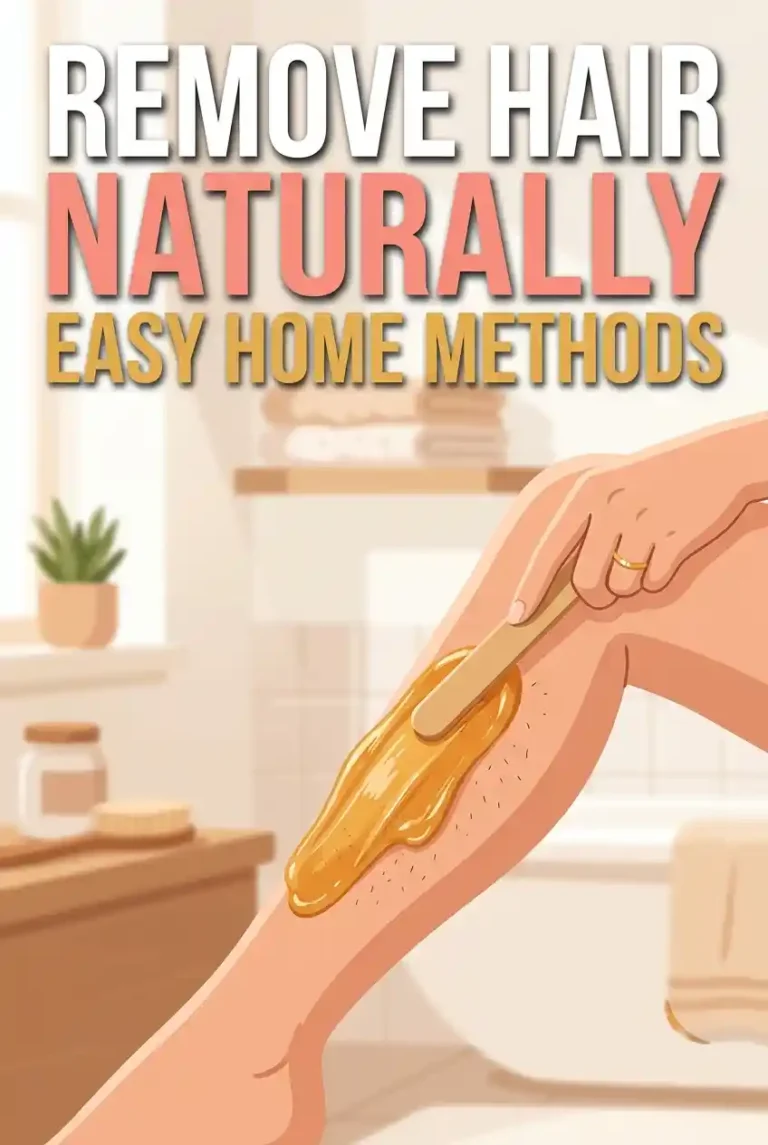
Sugaring is an ancient technique using a paste made from sugar, lemon juice, and water. Unlike hot wax, sugar paste adheres only to hair — not skin — making it significantly gentler and less likely to cause irritation or darkening. Results last as long as waxing but with far less post-treatment redness. Sugaring is the preferred choice for sensitive skin and those prone to hyperpigmentation.
DIY sugaring paste recipe
Combine two cups of sugar, the juice of one lemon, and two tablespoons of water in a saucepan. Heat on low, stirring constantly, until the mixture turns golden amber. Cool completely before use — it should be warm, not hot. Apply against hair growth, press a cloth strip on top, and remove quickly in the direction of growth.
Pro tip: Apply a thin layer of baby powder or cornstarch to dry skin before waxing or sugaring. This absorbs moisture and oils, helping the paste grip hair more effectively for a cleaner, less painful removal.
4. Depilatory creams
Depilatory creams dissolve hair at the skin’s surface using chemical compounds like thioglycolic acid. They are painless, fast, and easy to use at home. Apply, wait five to ten minutes, and wipe off. Results last slightly longer than shaving — three to five days typically. The downside is that some people react to the chemicals, causing redness or chemical burns if left on too long. Always do a patch test 24 hours before use.
5. Epilating
An epilator is an electric device that grabs and pulls multiple hairs out simultaneously from the root. Results last two to four weeks, and with regular use over several months, regrowth becomes noticeably finer. The first few sessions can be uncomfortable, but most people find their pain tolerance improves quickly. Epilating is a cost-effective long-term investment — the device pays for itself within a few months compared to waxing salon costs.
Long-term underarm hair removal solutions
For those who want to significantly reduce or permanently eliminate the need for regular maintenance, two professional options deliver dramatic long-term results.
Laser underarm hair removal
Laser treatment targets the melanin in hair follicles with concentrated light, damaging the follicle to prevent future growth. Most people need six to eight sessions spaced four to six weeks apart for permanent reduction. Results vary by skin tone and hair color — it works best on dark hair with light skin, though modern diode lasers are increasingly effective on a wider range of skin tones. It is the most effective long-term solution available.
IPL — intense pulsed light at home
At-home IPL devices use broad-spectrum light to target follicles similarly to professional laser, but at lower intensity. They are significantly more affordable than clinic sessions and can be used in the comfort of home. Most devices require eight to twelve initial sessions, followed by monthly maintenance. Results are not as dramatic as professional laser but are substantially better than any temporary method.
Aftercare tips for smooth underarm skin
No matter which removal method you choose, proper aftercare makes a significant difference in how your skin looks and feels between sessions. These habits prevent the most common problems.
Moisturize and soothe after every treatment
Apply pure aloe vera gel or a fragrance-free, alcohol-free moisturizer immediately after hair removal to calm redness, reduce inflammation, and keep skin hydrated. Avoid perfumed deodorants and antiperspirants for at least 12 hours after treatment — the skin is more vulnerable to irritation and chemical sensitivity directly after removal.
Exfoliate regularly to prevent ingrown hairs
Exfoliate gently two to three times a week between sessions. Use a soft body scrub or a loofah in circular motions to lift dead skin cells that trap regrowth beneath the surface. This simple habit dramatically reduces ingrown hairs regardless of which removal method you use, and over time it also helps fade any existing dark spots or hyperpigmentation in the area.
There is no single best underarm hair removal method for everyone — the right choice depends on your skin type, your pain tolerance, how much time you want to invest, and how long you want results to last. Start with the method that feels most accessible to you right now, care for your skin properly afterward, and consider upgrading to a longer-term solution like IPL or laser when you are ready for a more permanent result. Smooth, comfortable skin is absolutely achievable — it just takes finding the right approach for you.