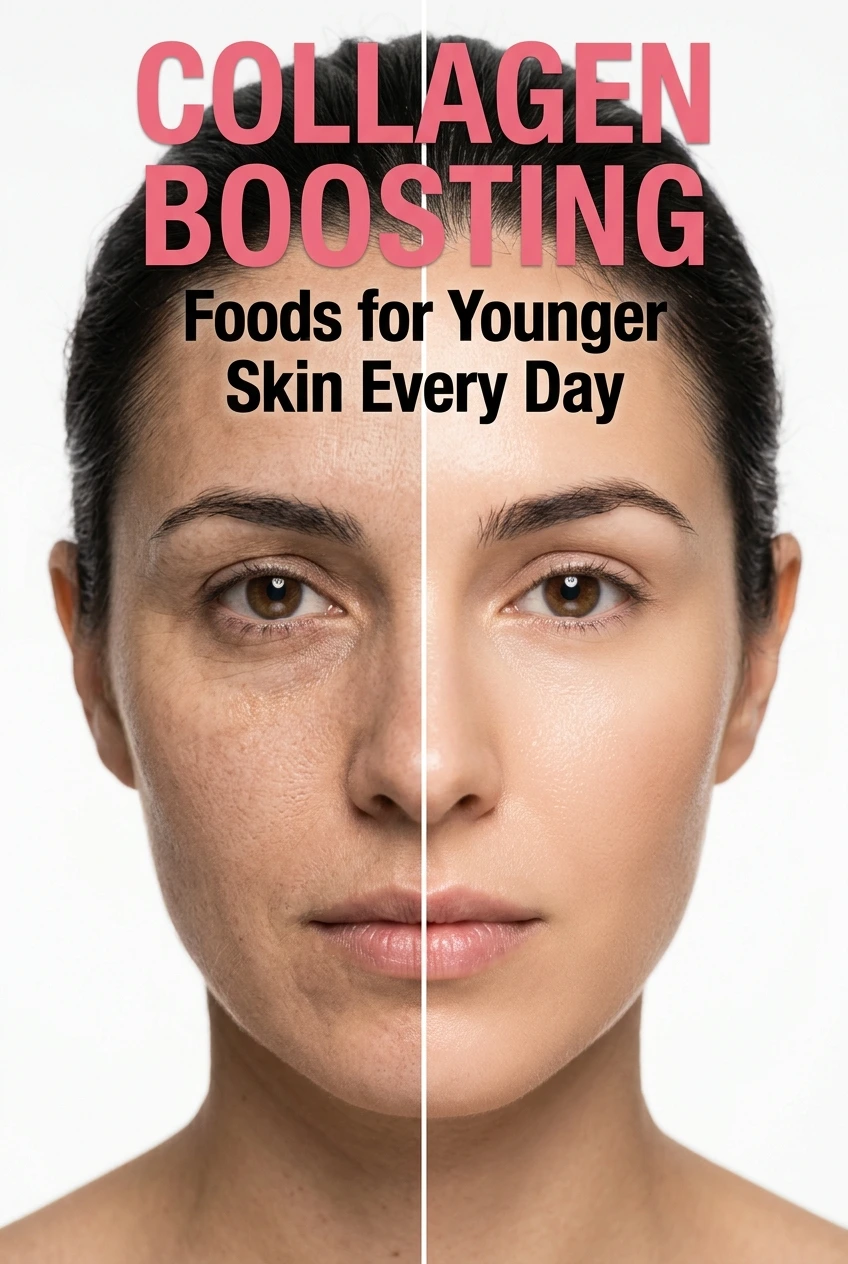
Collagen Boosting Foods for Younger Skin Every Day
Adding collagen boosting foods to your daily diet is one of the simplest and most effective things you can do for your skin. While expensive creams and serums work on the surface, the real secret to firm, glowing, younger-looking skin starts from within.
Your body naturally produces collagen, but production begins to slow around age 25 and continues to decline with every passing year. The good news is that the right foods can support and stimulate collagen synthesis naturally – no injections, no supplements required.
Disclaimer: This article is for informational purposes only. Results may vary. Always consult a dermatologist or healthcare professional for personalized skin advice.
Why Collagen Boosting Foods Matter for Your Skin
Collagen is the most abundant protein in your body. It makes up about 30% of your total protein structure and is responsible for the firmness, elasticity, and hydration of your skin. When collagen levels are high, skin looks plump, smooth, and youthful. When they drop, fine lines, sagging, and dullness appear.
By your 30s, you may already notice the first signs of collagen loss. By your 40s and 50s, the difference becomes much more visible. Including the right skin-supporting foods in your meals every day is one of the most powerful anti-aging habits you can build.
How the Body Uses Food to Produce Collagen
Your body cannot absorb collagen directly from food. Instead, it breaks down the proteins you eat into amino acids – particularly glycine, proline, and hydroxyproline – which it then uses to build new collagen fibers. Vitamin C acts as the essential co-factor in this process, binding the amino acids together to form stable collagen strands.
This is why collagen-supporting nutrition is about more than just eating collagen-rich foods. It is about giving your body all the raw materials it needs to manufacture its own collagen efficiently.
What Destroys Collagen in Your Skin
Before focusing on what to eat, it helps to understand what breaks collagen down. UV radiation from sun exposure is the number one cause of collagen degradation. Free radicals from pollution, smoking, alcohol, and poor diet also accelerate collagen loss by triggering oxidative stress in the skin.
High sugar intake is another major collagen destroyer. Sugar molecules attach to collagen fibers in a process called glycation, making them stiff and brittle. Reducing sugar and protecting your skin from the sun are just as important as eating collagen-supporting foods.
Top Collagen Boosting Foods to Eat Every Day
Here are the best collagen boosting foods you can start including in your meals today. Each one provides key nutrients that either directly supply collagen building blocks or help your body produce more of its own.
1. Bone Broth – The Best Natural Collagen Food
Bone broth is made by simmering animal bones for many hours, which releases gelatin and collagen peptides directly into the liquid. It is one of the richest natural sources of collagen available and contains all three key amino acids – glycine, proline, and hydroxyproline – that your body needs to build new collagen.
Drink one cup of bone broth daily or use it as a base for soups, stews, and sauces. Choose homemade or high-quality store-bought versions that are made from grass-fed or organic bones for the best nutrient content.
2. Salmon – Skin-Firming Collagen Rich Food
Salmon is one of the best foods for skin health you can eat. The skin of salmon contains collagen peptides your body can absorb and use as templates for producing its own collagen. The high omega-3 fatty acid content also reduces skin inflammation, keeps the skin barrier strong, and supports deep hydration from within.
Aim to eat salmon two to three times per week. Opt for wild-caught salmon when possible, as it contains higher levels of omega-3s and fewer contaminants than farmed varieties. Sardines, mackerel, and tuna are great alternatives with similar benefits.
3. Egg Whites – Amino Acids for Collagen Synthesis
Egg whites are one of the richest food sources of proline – the amino acid that is essential for collagen production. While egg whites do not contain collagen directly, they give your body the exact building blocks it needs to manufacture new collagen fibers efficiently.
Add eggs to your breakfast several times a week. Scrambled, boiled, or as an omelet – any preparation works well. Combining eggs with vitamin C-rich foods like bell peppers or tomatoes in the same meal makes the collagen-building process even more effective.
4. Citrus Fruits – Vitamin C for Skin Glow
Vitamin C is the most critical nutrient for collagen synthesis. Without adequate vitamin C, your body literally cannot form or maintain collagen properly. Citrus fruits like oranges, lemons, grapefruits, and limes are among the best sources of vitamin C you can eat daily.
Start your morning with a glass of warm lemon water, snack on an orange in the afternoon, or add grapefruit segments to your salads. Consistent daily vitamin C intake supports ongoing collagen production and protects existing collagen from free radical damage.
5. Berries – Antioxidant-Rich Collagen Supporting Foods
Strawberries, blueberries, raspberries, and blackberries are loaded with both vitamin C and powerful antioxidants called polyphenols. These antioxidants neutralize free radicals that would otherwise break down your existing collagen, essentially protecting the collagen you already have.
Blueberries in particular are rich in anthocyanins, which have been shown to strengthen collagen fibers and improve skin elasticity. A daily handful of mixed berries – fresh or frozen – is one of the easiest and most delicious additions to a collagen-friendly diet.
6. Bell Peppers – The Collagen Skin Food You Overlook
Red and yellow bell peppers actually contain more vitamin C than oranges. A single red bell pepper provides over 150% of the recommended daily intake of vitamin C, making it one of the most potent collagen-supporting vegetables available.
Bell peppers are best eaten raw to preserve their vitamin C content, as heat destroys a significant portion of the nutrient. Add them to salads, slice them as a snack with hummus, or toss them into grain bowls and wraps for an easy daily vitamin C boost.
7. Kiwi – The Underrated Collagen Boosting Fruit
Kiwi contains more vitamin C per gram than oranges and is also rich in vitamin E and antioxidants that protect collagen from UV and oxidative damage. Two kiwis a day can provide more than 100% of your daily vitamin C needs in a small, convenient package.
8. Leafy Greens – Daily Greens for Collagen Production
Spinach, kale, and broccoli are packed with vitamin C, vitamin A, and antioxidants that work together to support collagen production and protect skin cells. They also contain chlorophyll, which some studies suggest may help increase collagen precursors in the skin.
Aim to include at least one serving of leafy greens every day. Add spinach to smoothies, use kale as a salad base, or steam broccoli as a side dish. The more variety you include, the broader the range of skin-supporting nutrients you get.
9. Nuts and Seeds – Zinc and Copper for Collagen Foods
Pumpkin seeds and cashews are rich in zinc and copper – two trace minerals that act as cofactors in the collagen production process. Without adequate zinc and copper, your body cannot assemble collagen properly even if all the amino acids are available.
A small daily handful of mixed nuts and seeds provides a steady supply of these essential minerals. Almonds also add vitamin E, which protects skin cell membranes and works synergistically with vitamin C to support skin health.
10. Shellfish – Collagen Minerals from the Sea
Oysters, mussels, and shrimp are packed with zinc, copper, and amino acids that directly support collagen synthesis. Oysters in particular are one of the highest food sources of zinc available. Including shellfish in your diet once or twice a week gives your skin a powerful mineral boost.
Collagen Boosting Foods vs. Collagen Supplements
Many people wonder whether it is better to eat collagen boosting foods or take collagen supplements. The answer is that both can be helpful, but food should always come first.
Do Collagen Supplements Actually Work for Skin?
Research on collagen supplements is promising. Several randomized controlled trials have found that taking collagen peptides for 8 to 12 weeks improved skin hydration, elasticity, and reduced wrinkle depth compared to placebo groups. However, the research comes with caveats – many studies were small or industry-funded.
If you choose to supplement, look for hydrolyzed collagen peptides combined with vitamin C for better absorption. Types I and III are most relevant for skin health. Always choose a third-party tested product from a reputable brand.
Why Whole Foods for Skin Health Are Always Better
Whole foods provide collagen-supporting nutrients alongside hundreds of other beneficial compounds – antioxidants, fiber, vitamins, and minerals – that work together synergistically. A supplement cannot replicate the full nutritional complexity of a varied, plant-rich diet.
Think of collagen supplements as an optional boost on top of a solid dietary foundation – not a replacement for eating well. The most visible and lasting skin improvements come from consistent, long-term dietary habits rather than any single supplement.
How to Build a Daily Collagen Boosting Food Routine
The key to seeing results from collagen-supporting foods is consistency. Eating one or two of these foods occasionally will not produce noticeable changes. A daily habit of including multiple collagen-friendly foods in your meals will make a real difference over weeks and months.
Sample Day of Eating for Collagen and Skin Health
Start your morning with warm lemon water followed by scrambled eggs with spinach and red bell pepper. For a mid-morning snack, have a bowl of mixed berries and two kiwis. Lunch could be a salmon salad with leafy greens, avocado, and pumpkin seeds. For dinner, try a bone broth-based vegetable soup with a side of steamed broccoli.
This kind of daily eating pattern provides your body with a continuous supply of amino acids, vitamin C, zinc, copper, and antioxidants – everything it needs to build and protect collagen around the clock.
Lifestyle Habits That Support Collagen-Rich Skin
Diet alone is not enough. Daily SPF protection is non-negotiable – UV exposure is the fastest way to break down collagen in your skin. Staying well-hydrated keeps skin plump and supports the skin barrier. Getting 7-9 hours of sleep allows your body to repair and regenerate collagen overnight.
Reducing alcohol intake, quitting smoking, and managing stress through exercise or meditation also significantly slow the rate of collagen breakdown. These lifestyle habits amplify the benefits of your collagen-supporting diet.
Collagen Destroying Habits to Avoid
High sugar intake triggers glycation, which stiffens and damages collagen fibers. Excessive sun exposure without SPF is the leading cause of premature skin aging. Smoking reduces blood flow to the skin and introduces free radicals that destroy collagen rapidly. Chronic sleep deprivation impairs the overnight repair processes that rebuild collagen.
Frequently Asked Questions About Collagen Boosting Foods
Which collagen boosting foods show results fastest?
Vitamin C-rich foods like citrus fruits and bell peppers support collagen synthesis most immediately, as vitamin C is required for every step of collagen production. Bone broth provides direct collagen peptides that are absorbed and used quickly. However, visible improvements in skin firmness and texture typically take 8 to 12 weeks of consistent daily intake.
Can collagen foods help with skin elasticity after 40?
Yes, but consistency is key. While collagen production naturally declines with age, supporting it through nutrition can meaningfully slow the process. Women over 40 who consistently eat collagen-supporting foods and protect their skin from UV damage report visible improvements in skin texture, hydration, and firmness over time.
How long does it take to see results from skin nutrition?
Most people start to notice improved skin hydration and a subtle glow within 4-6 weeks of consistently eating collagen-supporting foods. More significant changes in firmness and fine lines typically appear after 8-12 weeks. Patience and daily consistency are essential for lasting results.
Making collagen boosting foods a regular part of your diet is one of the most effective long-term investments you can make in your skin. Start small – add one or two of these foods each day and build from there.
Your skin reflects what you eat over time. With the right daily nutrition, firmer, brighter, and more youthful-looking skin is absolutely within reach – no expensive treatments required.