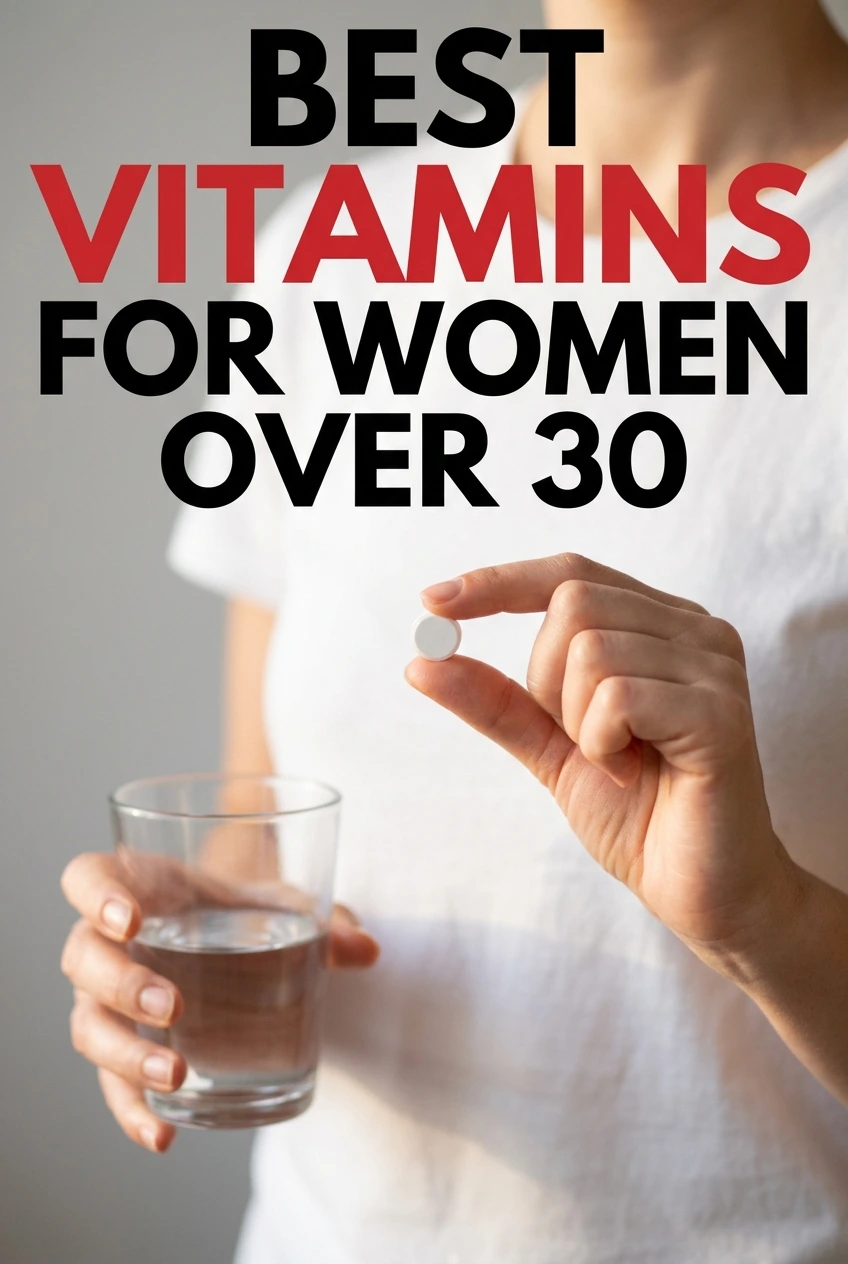
Vitamins for Women Over 30: What You Actually Need
The best vitamins for women over 30 are not the same ones you needed in your 20s – and that is something most people do not realize until they start feeling the difference. Your 30s bring real changes to your hormones, metabolism, bone density, and energy levels, and your nutritional needs shift along with them.
This guide breaks down exactly which vitamins and minerals your body needs most after 30, why they matter, and how to get enough of them – whether through food or supplements.
Why Vitamins for Women Over 30 Are Different
Turning 30 is a turning point for your body in ways you might not notice right away. Collagen production starts to decline, which affects your skin, joints, and hair. Bone density begins a slow decrease that accelerates after menopause. Metabolism slows slightly, making it easier to gain weight and harder to maintain energy.
Hormone fluctuations also become more noticeable in your 30s. These shifts affect mood, sleep, skin, and overall vitality. The right vitamins and nutrients can help support your body through all of these changes.
How Hormones Affect Your Nutrient Needs After 30
Estrogen and progesterone fluctuations can affect iron levels, mood, sleep quality, and skin health. Nutrients like B vitamins, magnesium, and omega-3 fatty acids help support hormonal balance and reduce symptoms like fatigue, bloating, and mood swings.
Chronic stress depletes key nutrients like magnesium and B vitamins quickly. This makes targeted supplementation especially important for women managing busy lives in their 30s.
Bone Health and Essential Minerals for Women in Their 30s
Peak bone mass is typically reached in your late 20s. After that, bone density slowly starts to decline. Vitamin D, calcium, magnesium, and vitamin K2 all play important roles in keeping your bones dense and healthy well into your 40s and beyond.
Starting bone-protective habits early makes a real difference in how your body ages. Your 30s are the most important decade to focus on these nutrients.
Essential Vitamins for Women Over 30: The Full List
Here are the most important daily vitamins and minerals for women over 30, based on research and real nutritional gaps that develop in this decade.
Vitamin D – The Most Common Women’s Health Deficiency
Vitamin D is one of the most common deficiencies in women over 30, especially those who spend most of their time indoors. It supports bone strength, immune health, mood regulation, and heart health.
Low vitamin D levels are linked to depression, fatigue, and weakened bones. Most women benefit from 1000-2000 IU of vitamin D3 daily, paired with vitamin K2 for better calcium absorption into bones.
Best Food Sources of Vitamin D
Fatty fish like salmon and sardines, egg yolks, and fortified dairy products are the top food sources. However, it is very difficult to get enough from food alone, which is why supplementation is often recommended after 30.
Vitamin B12 – Energy and Brain Support for Women
Vitamin B12 is essential for red blood cell production, nerve function, and sustained energy. Many women in their 30s experience low B12, especially those following plant-based diets.
Symptoms of B12 deficiency include persistent fatigue, brain fog, mood changes, and tingling in the hands. A daily B-complex or standalone B12 supplement can make a noticeable difference in daily energy levels.
Magnesium – The Calming Mineral Every Woman Needs
Magnesium is involved in over 300 biochemical reactions in the body, including muscle function, sleep quality, stress regulation, and blood sugar balance. It is one of the most depleted minerals in women over 30, especially under chronic stress.
Taking magnesium glycinate or magnesium citrate before bed can improve sleep, reduce anxiety, ease muscle cramps, and support hormonal balance. Most women need 310-320 mg per day.
Signs You May Be Low in Magnesium
Poor sleep, muscle cramps, headaches, anxiety, constipation, and low energy are all common signs of deficiency. If you experience several of these regularly, magnesium supplementation is worth discussing with your doctor.
Iron – A Critical Supplement for Women of Reproductive Age
Women who still have regular menstrual cycles lose iron every month, and heavy periods can lead to deficiency over time. Iron is essential for oxygen transport in the blood, directly affecting energy, focus, and stamina.
Symptoms of low iron include chronic fatigue, pale skin, shortness of breath, and difficulty concentrating. Always take iron with vitamin C to improve absorption and have your levels checked regularly.
Omega-3 Fatty Acids – Hormones, Skin, and Brain Health for Women
Omega-3s are among the most important nutrients for women over 30. They support brain health, reduce inflammation, help balance hormones, and keep skin hydrated and firm from the inside out.
Research shows that omega-3 fatty acids can reduce painful menstrual cramps and support heart health by lowering triglycerides. Aim for 1000-2000 mg of combined EPA and DHA daily.
Folate, Collagen, and Biotin for Women Over 30
Folate supports DNA repair, mood, and red blood cell production. Choose methylfolate over folic acid in supplements for better absorption. Collagen peptides paired with vitamin C help maintain skin firmness and joint flexibility as collagen production naturally slows after 25.
Biotin supports hair thickness, nail strength, and skin clarity – particularly helpful for women in their 30s who notice changes in hair and nail quality.
How to Take Vitamins for Women Over 30 Correctly
Taking the right women’s supplements is only part of the equation. Timing and combinations affect how well your body absorbs each nutrient.
How to Pair Women’s Supplements for Maximum Absorption
Vitamins A, D, E, and K are fat-soluble – take them with a meal that includes healthy fats like avocado, olive oil, or nuts. Water-soluble vitamins like B vitamins and vitamin C can be taken at any time, though food reduces nausea at higher doses.
Do not take iron and calcium together – they compete for absorption. Space them at least two hours apart. Always take iron with vitamin C to boost absorption, and calcium with vitamin D and K2 for bone benefits.
Get Tested Before You Start Supplementing
Ask your doctor for a blood panel that checks vitamin D, B12, iron, and magnesium levels. This tells you exactly where your deficiencies are so you can supplement with purpose rather than guessing.
Best Foods to Support Women’s Vitamin Needs After 30
Supplements are helpful, but whole foods should always come first. Here are the best foods to include daily as a woman over 30.
Nutrient-Dense Foods Every Woman Over 30 Should Eat
Leafy greens like spinach and kale provide folate, magnesium, vitamin K, and iron. Salmon and sardines deliver omega-3s, vitamin D, and B12. Eggs supply B12, biotin, and vitamin D. Avocado offers folate, magnesium, and healthy fats. Legumes like lentils and chickpeas are rich in iron and folate.
Pumpkin seeds and almonds are excellent magnesium sources. Citrus fruits and bell peppers provide vitamin C for collagen production. Greek yogurt and fortified dairy support calcium and vitamin D intake.
Should You Take a Women’s Multivitamin?
A high-quality women’s multivitamin can fill nutritional gaps conveniently. Look for one that contains methylfolate instead of folic acid, vitamin D3 with K2, and B12 in methylcobalamin form for better absorption.
Avoid multivitamins with megadoses of any single nutrient. A formula designed specifically for women over 30 will be more targeted and effective than a generic version.
Frequently Asked Questions About Vitamins for Women Over 30
What is the most important vitamin for women over 30?
Vitamin D is consistently ranked as the most critical vitamin for women over 30 because deficiency is so common and the health impact is so broad – affecting bones, mood, immunity, and energy. Getting your levels tested is the best first step.
Can women’s vitamins help with hormonal balance?
Yes. Magnesium helps regulate cortisol and supports progesterone. B vitamins support estrogen metabolism. Omega-3s reduce inflammation that disrupts hormonal balance. While vitamins are not a replacement for medical treatment, they meaningfully support hormonal health.
How long before you feel results from supplements?
Iron and B12 improvements can be felt within 2-4 weeks. Vitamin D levels typically improve within 4-8 weeks. Collagen and omega-3 effects on skin and joints may take 8-12 weeks. Consistency is everything.
Choosing the right vitamins for women over 30 does not have to be complicated. Start with vitamin D, B12, magnesium, and omega-3s – and build from there based on what your blood work shows.
Your 30s are a powerful decade. With the right nutritional support, you can feel energized, balanced, and strong – and set yourself up for even better health in the decades ahead.