Vitamin B12 Deficiency: Signs, Best Foods, Treatment and What to Know for Kids
Vitamin B12 deficiency is one of the most common and most missed nutritional deficiencies worldwide. It develops slowly over months or years, with symptoms that are easy to dismiss as tiredness or stress. Left untreated, it can cause serious nerve damage. Here is what you need to know about the signs, the best foods, treatment, and what to watch for in children.
Key signs of vitamin B12 deficiency
Symptoms vary depending on how severe the deficiency has become. Most people experience several of these at once.
Vitamin B12 deficiency signs to watch for
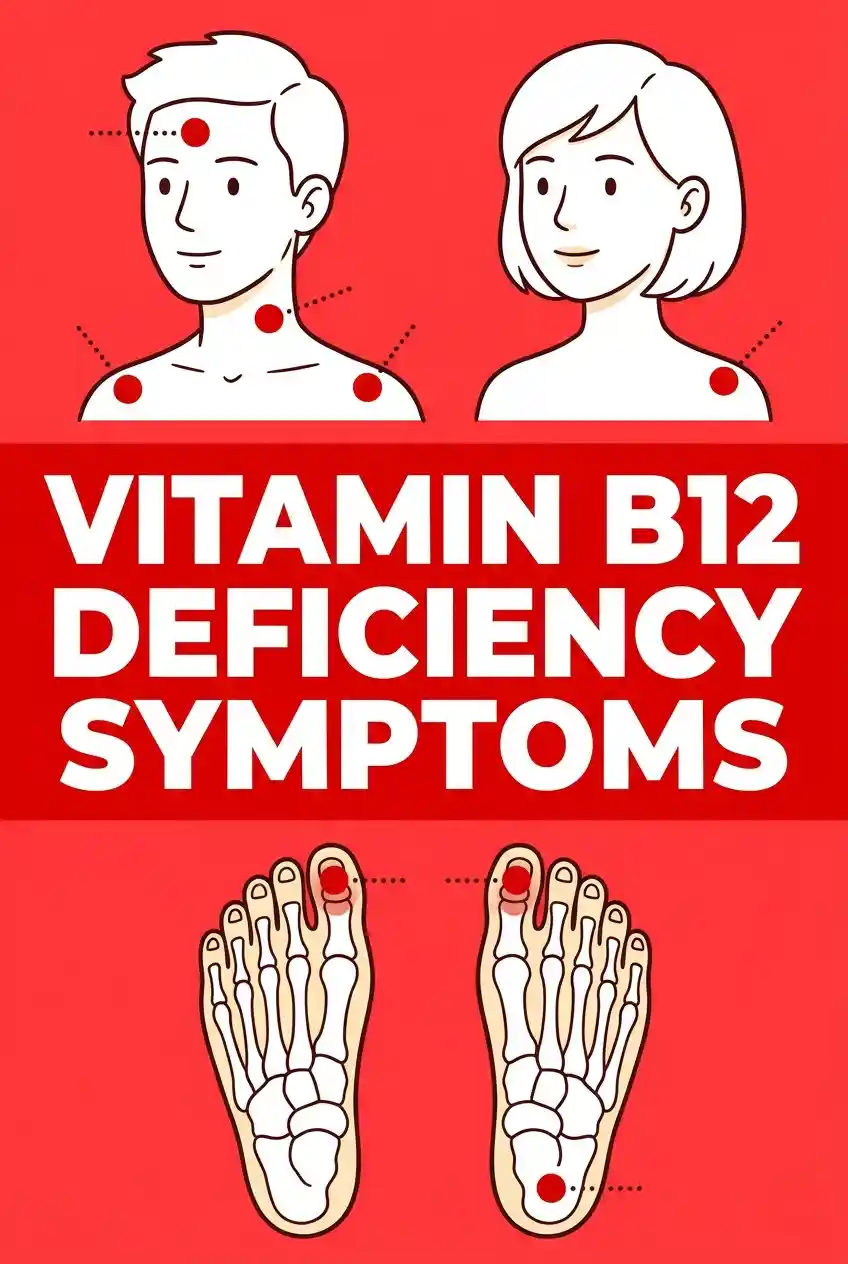
Extreme fatigue. Without enough B12, the body cannot produce healthy red blood cells to carry oxygen. Persistent exhaustion that rest does not fix is one of the first signs.
Tingling hands and feet. B12 is essential for healthy nerve function. Numbness or tingling in the extremities is a warning sign of nerve damage beginning to develop.
Smooth, sore tongue. A red, inflamed tongue that has lost its normal bumpy texture is a classic B12 deficiency sign. Mouth ulcers and a burning mouth sensation also appear frequently.
Brain fog and mood changes. Poor memory, difficulty concentrating, and low mood are all linked to low B12. These symptoms are often mistaken for stress or depression.
Pale or yellow skin. Reduced red blood cell production causes paleness. A slight yellowing of skin and eyes can also occur as fragile cells break down.
Who is most at risk
Vegans and vegetarians, older adults, people with digestive conditions like Crohn’s disease, those taking metformin or antacids long-term, and breastfed infants of B12-deficient mothers are all at higher risk.
Best foods for vitamin B12 deficiency
B12 is found almost entirely in animal products. Here are the richest sources to include in your diet regularly.
Top B12 food sources
Beef liver – the richest source of B12 available. A small weekly portion covers requirements significantly.
Clams and shellfish – extraordinarily high in B12 alongside iron and omega-3 fatty acids.
Salmon and tuna – two to three servings per week covers daily B12 needs comfortably.
Eggs and dairy – reliable daily sources that are easy to incorporate into most diets.
Fortified foods – for vegans, fortified plant milks, cereals, and nutritional yeast are the most practical options. Check labels for B12 content.
Important: A simple blood test confirms vitamin B12 deficiency. If you recognise several signs from this list, ask your doctor for a serum B12 and full blood count test. Early treatment prevents nerve damage.
Vitamin B12 deficiency treatment options
Treatment depends on the severity and cause of deficiency.
Supplements and injections
Mild deficiency from poor diet is treated with high-dose oral B12 supplements – usually 1000 micrograms daily. Sublingual tablets dissolve under the tongue and absorb more efficiently than standard tablets. Severe deficiency or cases where absorption is impaired require B12 injections given by a doctor. Injections bypass the digestive system entirely and restore levels faster. Most people feel significantly better within one to two weeks of starting treatment.
Vitamin B12 deficiency in kids
Children need B12 for healthy brain development and growth. Deficiency is most common in children on vegan diets and breastfed infants of B12-deficient mothers.
Signs of vitamin B12 deficiency in kids
Watch for developmental delays, poor growth, extreme tiredness, pale skin, and unusual irritability. Because children’s nervous systems are still developing, deficiency can cause more serious harm than in adults if left untreated. Any child showing these signs should be seen by a doctor promptly. Children on plant-based diets require a reliable daily B12 supplement – fortified foods alone are rarely sufficient for growing children.
B12 supplements for vegan children
Consult a pediatrician or dietitian to determine the right supplement dose based on your child’s age and diet. Do not leave this to chance – B12 deficiency in young children affects brain development in ways that can be difficult to reverse.
Vitamin B12 deficiency is common, easy to test for, and highly treatable when caught early. If you recognise the signs – especially the fatigue, tingling, tongue changes, or mood shifts – ask your doctor for a blood test. Most people feel dramatically better within weeks of starting treatment.