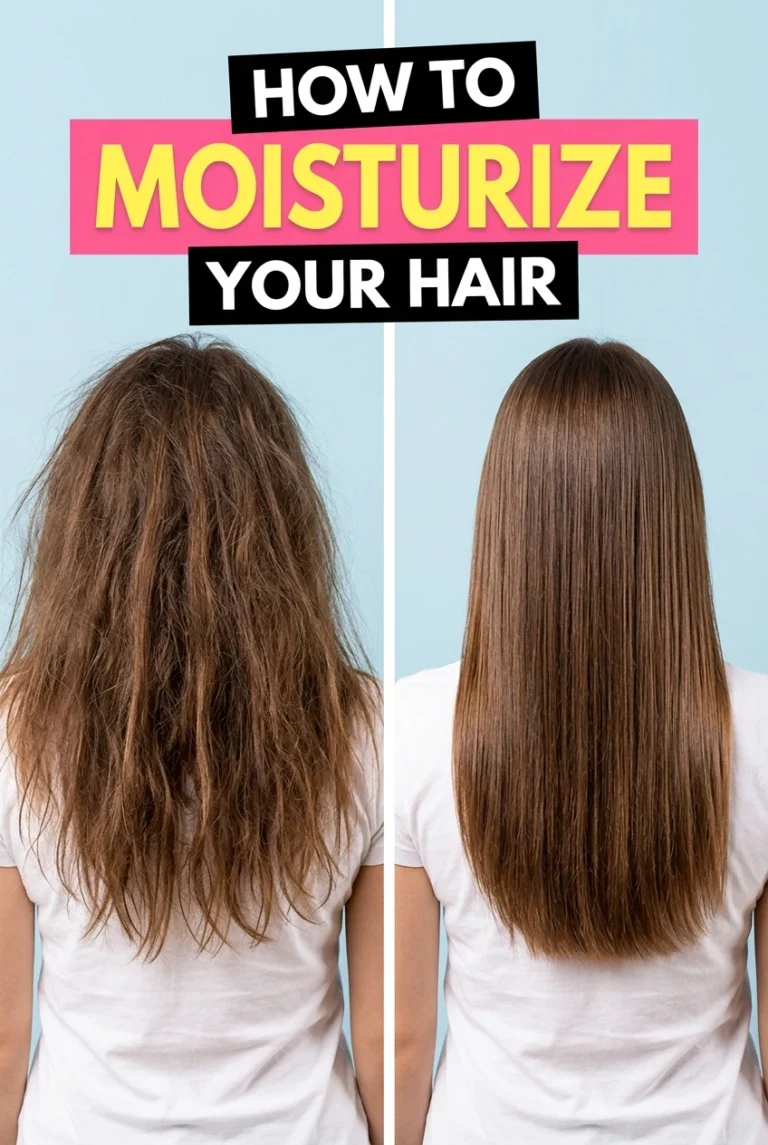
Thick Healthy Hair: 8 Proven Tips to Grow It Fuller and Stronger Naturally
Thick healthy hair is not just a matter of genetics — it is the result of consistent habits, the right nutrition, and understanding what your hair actually needs to thrive. Whether your hair is naturally fine, thinning from stress, or simply not as full as you would like, these eight science-backed tips will help you grow stronger, thicker, and healthier hair from the inside out.
Why thick healthy hair starts from within
Hair is made of keratin — a protein produced by follicles in the scalp. Every strand grows from a follicle that requires a steady supply of nutrients, good circulation, and a healthy scalp environment to produce strong, thick strands. No topical product can compensate for nutritional deficiencies, chronic stress, or poor scalp health. The most effective approach combines internal nutrition with external care to create the conditions your follicles need to perform at their best.
Thick healthy hair and nutrition — what your follicles need
The most common nutritional causes of thin, weak hair are iron deficiency, low protein intake, zinc deficiency, and insufficient biotin. Iron carries oxygen to follicles — without it, they shift into a resting phase and shed more than they grow. Protein is the building block of every strand — without adequate daily intake, new hair grows thinner and breaks more easily. Eat eggs, lean meat, legumes, nuts, leafy greens, and salmon regularly to cover the key bases.
Best vitamins for hair thickness
Biotin (B7) supports keratin production. Vitamin D activates dormant follicles. Iron prevents excessive shedding. Zinc regulates oil production and follicle repair. If your diet is lacking, a targeted hair supplement covering these four nutrients can produce noticeable improvement in thickness within three to four months.
8 tips for thick healthy hair growth
These habits address every major factor that determines hair thickness — follicle health, breakage prevention, scalp circulation, and moisture retention.
1. Scalp massage for thick healthy hair
Daily scalp massage is one of the most evidence-backed habits for increasing hair thickness. A 2016 study found that four minutes of daily scalp massage over 24 weeks produced measurably thicker hair strands. Massage improves blood circulation to follicles, delivering more oxygen and nutrients, and stretches follicle cells to encourage thicker strand production. Use your fingertips in firm circular motions for four to five minutes daily — in the shower or while watching TV.
2. Rosemary oil treatment
Rosemary oil is clinically proven to stimulate hair growth — a 2015 study found it performed comparably to 2% minoxidil after six months of use. It works by improving scalp circulation and extending the active growth phase of hair follicles. Mix five to eight drops of rosemary essential oil with two tablespoons of carrier oil (coconut, jojoba, or castor oil). Massage into the scalp, leave for at least 30 minutes or overnight, then wash out. Use two to three times per week.
3. Castor oil for fuller hair
Castor oil is rich in ricinoleic acid — a fatty acid that improves scalp circulation, reduces inflammation, and coats each strand with a protective layer that reduces breakage and adds visible thickness. Apply warm castor oil to the scalp and hair, focusing on the roots. Leave overnight under a shower cap and wash out in the morning. Use once a week — castor oil is thick and can build up with more frequent use.
Pro tip: Never brush wet hair — it is at its most elastic and vulnerable when wet, and brushing causes significant breakage. Always detangle gently with a wide-tooth comb starting from the ends and working upward. Let hair air dry partially before any styling.
4. Protein hair mask
Hair is protein — and when strands are depleted of protein from heat styling, chemical treatments, or poor nutrition, they become thin, limp, and prone to breakage. A weekly DIY protein mask replenishes this loss. Mix two eggs with two tablespoons of plain yogurt and one tablespoon of honey. Apply to damp hair from roots to ends, leave for 20-30 minutes under a shower cap, then rinse with cool water. Use once a week for the first month, then every two weeks for maintenance.
5. Reduce heat styling
Heat damage is one of the most significant and preventable causes of thin, weak hair. High temperatures break down the keratin bonds that give hair its strength and thickness, causing strands to become brittle and snap. Limit blow drying, straightening, and curling to two to three times per week maximum. Always use a heat protectant spray before any heat styling, and keep tools below 180°C to minimize structural damage.
6. Switch to a sulfate-free shampoo
Sulfates are the harsh detergents in most conventional shampoos that strip the scalp of its natural oils. When the scalp is chronically over-stripped, it produces excess oil to compensate — creating a cycle of greasiness and aggressive washing that weakens follicles over time. A gentle, sulfate-free shampoo cleanses without stripping, maintaining the scalp’s natural balance and allowing follicles to produce thicker, stronger strands.
Lifestyle habits that support thick healthy hair
What happens away from your hair care routine has just as much impact as what products you use.
Manage stress actively
Chronic stress is one of the leading causes of hair thinning and excessive shedding in women. Elevated cortisol disrupts the hair growth cycle, pushing large numbers of follicles into the resting phase simultaneously — causing the diffuse shedding known as telogen effluvium. Daily stress management through exercise, breathing practices, or consistent sleep significantly reduces this hormonal disruption and its impact on hair density over time.
Stay hydrated and sleep well
Dehydration reduces scalp moisture and weakens the hair shaft, making strands more brittle and prone to breakage. Aim for at least two liters of water daily. Sleep is when growth hormone is released — the same hormone that drives cell reproduction in hair follicles. Seven to nine hours of consistent sleep directly supports the active growth phase of hair and reduces stress-related shedding.
Thick healthy hair — realistic timeline for results
Week 1-4: Reduced shedding, improved scalp health, shinier appearance.
Month 2-3: Noticeably less breakage, new baby hairs visible at hairline.
Month 4-6: Measurable increase in hair density and strand thickness with consistent routine.
Most important habits to start first
Prioritize scalp massage, rosemary oil, and improved nutrition before adding anything else. These three changes address the root causes of thin hair directly and produce the most significant results. Add the remaining habits gradually over the following weeks.
Thick healthy hair is built habit by habit, day by day. There is no single product that transforms thin hair overnight — but a consistent combination of scalp care, proper nutrition, gentle handling, and stress management absolutely will. Start with daily scalp massage and a rosemary oil treatment this week, and build your routine from there. Give it three to six months of genuine consistency, and your hair will reflect the effort you have invested.