Natural Ways to Remove Unwanted Hair at Home
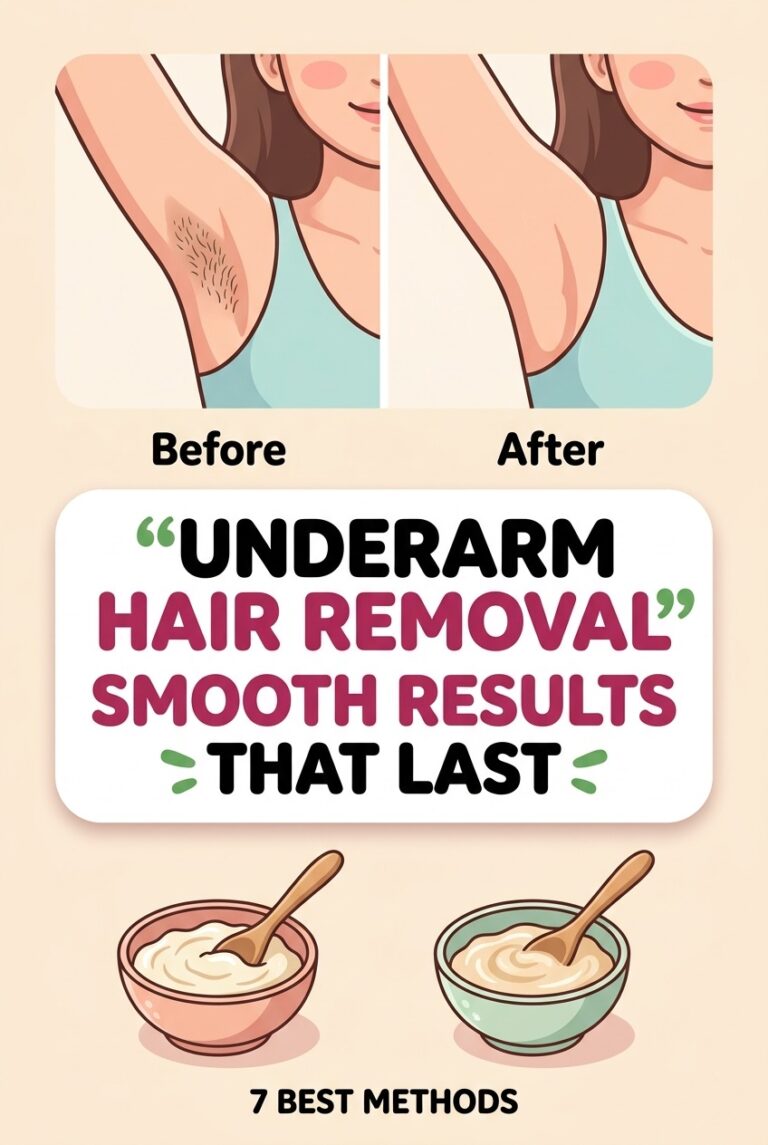
The best natural ways to remove unwanted hair at home are gentle on skin, free from harsh chemicals, and surprisingly effective when done consistently. From ancient sugaring techniques used for thousands of years to modern papaya-based treatments that gradually reduce regrowth, these seven methods offer a real alternative to expensive salon visits and irritating chemical depilatories. Here is everything you need to know to get smooth, hair-free skin at home.
Why choose natural ways to remove unwanted hair
Chemical hair removal products and frequent waxing salon visits come with real downsides — skin irritation, redness, ingrown hairs, ongoing costs, and synthetic ingredients that some skin types react badly to. Natural methods use ingredients like sugar, lemon, turmeric, and egg white that have been trusted for centuries. They are gentler, far more affordable, and when used correctly, just as effective as their commercial counterparts — often with the added benefit of leaving skin softer and less prone to irritation.
Remove unwanted hair naturally — patch test first
Even natural ingredients can trigger reactions in sensitive skin. Before applying any new remedy to larger areas, apply a small amount to the inside of your wrist and wait 24 hours. If no redness, itching, or swelling appears, it is safe to proceed. This simple step prevents unnecessary skin reactions and saves time in the long run.
7 natural methods to remove unwanted hair at home
Each method below works differently — some remove hair physically from the root, others weaken the follicle over time to slow regrowth. Choose based on your skin type, pain tolerance, and which area you are treating.
1. Sugar waxing (sugaring)
Sugaring is one of the most popular and effective natural hair removal methods, practiced for thousands of years across the Middle East and South Asia. Unlike hot wax, sugar paste sticks only to hair — not skin — making it significantly gentler and less likely to cause irritation or tearing. Combine two cups of sugar, the juice of one lemon, and two tablespoons of water in a saucepan. Heat on low until golden amber. Cool completely, apply against hair growth, press a cloth strip on top, and pull off quickly in the direction of hair growth. Results last three to six weeks.
2. Turmeric and milk paste
Turmeric has been used in South Asian beauty traditions for centuries specifically for hair removal. Regular use weakens hair follicles over time, resulting in finer, slower-growing hair. Mix two tablespoons of turmeric powder with enough milk to form a thick paste. Apply in the direction of hair growth, allow to dry completely (about 20 minutes), then rub off gently in circular motions against the direction of growth. Use three to four times per week for four to six weeks to see gradual reduction in regrowth.
Turmeric tip — avoid staining
Turmeric can temporarily stain skin yellow. Use it in the evening when you can rinse thoroughly and let any residual tint fade overnight. Mixing with milk or yogurt rather than water reduces staining while keeping the formula effective.
3. Egg white peel-off mask
This DIY mask works like a natural wax strip. Whisk one egg white until frothy, mix in one tablespoon of cornstarch and one tablespoon of sugar. Apply a thin layer over the area and press a strip of tissue paper on top. Allow to dry fully — about 20 minutes — then peel off quickly against the direction of hair growth. The mask adheres to fine hairs and pulls them out cleanly, leaving skin smooth and noticeably soft.
Pro tip: Apply a thin layer of baby powder or cornstarch before sugaring or any wax-based treatment. This absorbs excess moisture and oils, helping the paste grip hair more effectively for a cleaner and less painful removal.
4. Papaya and turmeric scrub
Raw papaya contains papain — an enzyme that breaks down hair follicles and inhibits regrowth with consistent use. Combined with turmeric, it becomes one of the most effective natural treatments for permanently reducing hair density over time. Mash two tablespoons of raw papaya and mix with half a teaspoon of turmeric. Apply to the area, massage for five minutes, leave for 15 minutes, then rinse. Use twice weekly for two to three months for gradual but lasting reduction.
5. Lemon and sugar scrub
Lemon juice has natural bleaching properties that lighten hair, making it less visible, while the sugar acts as a physical exfoliant that removes dead skin and loosens fine hairs. Mix two tablespoons of sugar with the juice of half a lemon and a teaspoon of honey. Apply to the area in circular motions, leave for 15 minutes, then rinse with warm water. Use three times per week. This method works best for fine, light body hair rather than coarse dark hair.
6. Threading
Threading uses a thin cotton thread twisted and rolled across the skin to lift hair directly from the follicle. It is completely chemical-free, precise, and highly effective for facial areas including upper lip, chin, eyebrows, and sideburns. Results last two to four weeks. Threading can be learned at home with practice, though visiting a professional for the first few sessions is recommended to understand correct technique and avoid skin irritation.
7. Spearmint tea to remove unwanted hair
This is the only internal remedy on the list — and it works from the inside out. Studies have shown that drinking two cups of spearmint tea daily significantly reduces androgen levels in women. Androgens are the hormones responsible for stimulating hair growth in areas like the chin, upper lip, and abdomen. Lowering them naturally through spearmint tea reduces the rate and thickness of hair regrowth over several months of consistent daily consumption.
Aftercare tips when removing unwanted hair naturally
Proper aftercare reduces irritation, prevents ingrown hairs, and keeps skin smooth between treatments.
Exfoliate before and after
Exfoliate gently one to two days before any hair removal treatment to clear dead skin cells that can trap hairs. After removal, wait 24-48 hours before exfoliating again to allow skin to recover. Regular exfoliation between sessions prevents ingrown hairs — the most common complaint with any hair removal method.
Soothe with aloe vera after treatment
Apply pure aloe vera gel immediately after any hair removal treatment to calm redness, reduce inflammation, and hydrate the skin. Avoid tight clothing, perfumed products, and sun exposure for at least a few hours after treatment. The skin is more sensitive and reactive directly after removal and needs gentle care to recover quickly.
How long before natural hair removal shows results
Sugaring and egg white mask: Immediate results from the first session. Hair removed from the root.
Turmeric and papaya: 4-8 weeks of consistent use before follicle weakening becomes noticeable.
Spearmint tea: 2-3 months of daily consumption before hormonal changes reduce regrowth.
Lemon and sugar: 2-4 weeks to visibly lighten fine hair and reduce its appearance.
Best combination for lasting results
Combine a physical removal method (sugaring or threading) with a follicle-weakening treatment (turmeric paste or papaya scrub) used on the same day after removal. Apply the weakening treatment while the follicle is most open and receptive. This combination delivers both immediate smoothness and long-term reduction in regrowth density.
Natural hair removal is not just a budget-friendly choice — it is a gentler, more sustainable approach to smooth skin that your body will thank you for. Start with sugaring or the egg white mask for immediate results, add turmeric paste for long-term follicle reduction, and consider spearmint tea if hormonal hair growth is your main concern. With patience and consistency, smooth skin is absolutely achievable without a single chemical in sight.